
Isopyrum trachyspermum
Isopyrum trachyspermum
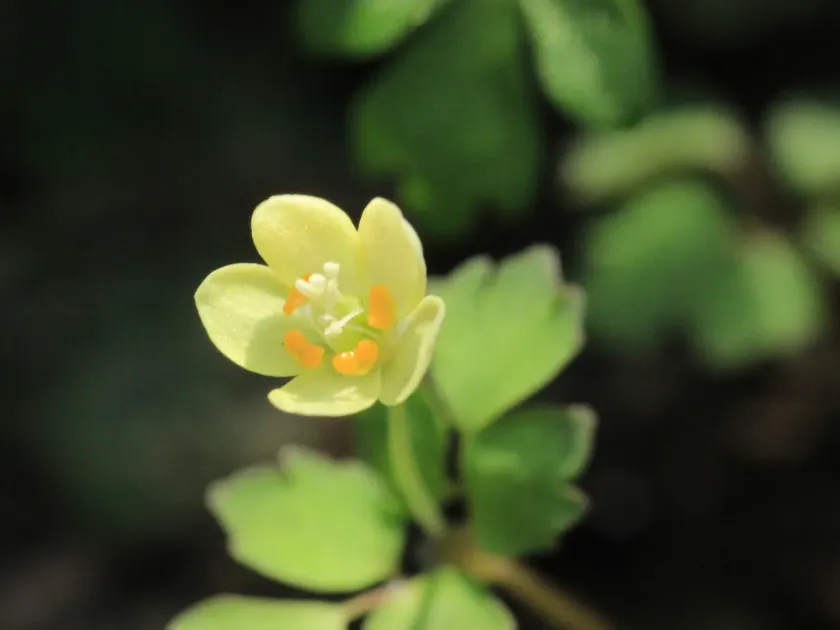
Description
Sowing dates
As a spring ephemeral, Isopyrum trachyspermum requires specific sowing timing, usually performed in late autumn to allow for natural cold stratification of seeds.
Spring sowing is possible only if seeds have undergone controlled artificial stratification to ensure high germination rates before the growing season.
Seeds should be planted at a shallow depth of approximately 1 centimeter to allow for adequate oxygen exchange during the sprouting process.
It is essential to select a sowing site that remains cool and moist, as the seeds are sensitive to desiccation and high soil temperatures.
Sowing in rows allows for better maintenance and protection against invasive weeds that might compete for nutrients during the early stages of growth.
Growing requirements
The culture thrives in fertile, well-drained soils rich in humus, which closely replicate the natural forest floor habitat of the Ranunculaceae family.
Providing a semi-shaded environment is critical, as excessive direct sunlight can lead to rapid wilting and shortened vegetative cycles for this plant.
Isopyrum trachyspermum prefers a mild, temperate climate where spring temperatures remain moderate, supporting the plant's natural growth rhythms.
Soil pH should ideally be neutral or slightly acidic; incorporating leaf mold or mature compost helps maintain the necessary soil structure and nutrient levels.
Proper moisture management is vital, as the plant requires constant hydration but cannot tolerate waterlogged conditions that lead to root distress.
Main diseases and pests
Fungal pathogens represent the primary threat to this crop, particularly under conditions of poor ventilation and high humidity, which favor disease spread.
Slugs and snails are frequent pests that can quickly consume delicate foliage, significantly impacting the plant's health and development.
Root rot, often caused by overwatering or poor drainage, remains the most significant physiological risk for the species in a cultivation environment.
Regular monitoring for early signs of disease, such as discoloration or wilting, is necessary to implement effective control measures timely.
Integrated pest management, including the use of mulch and avoiding dense planting, serves as the most effective defense against common biotic threats.