
Isopyrum stoloniferum
Isopyrum stoloniferum
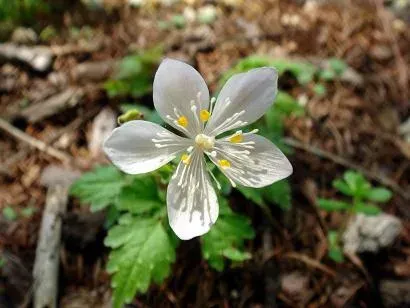
Description
Growing requirements
Isopyrum stoloniferum is a herbaceous perennial plant belonging to the Ranunculaceae family. It is characterized by its delicate foliage and unique stoloniferous root system, which allows it to spread effectively across suitable habitats.
The culture thrives in shady environments, preferring deep, moist, and humus-rich soils. It is particularly well-suited for woodland-style gardens where it can receive the necessary humidity and protection from harsh direct sunlight.
Botanical success requires consistent soil moisture levels throughout the growing season. While the plant is hardy in temperate zones, the roots must be protected from extreme drying, making mulching an essential practice in drier garden regions.
Agrotechnical management involves careful soil preparation, ensuring proper drainage while maintaining enough moisture capacity. The plant generally does not require intense fertilization; however, an annual application of organic compost can support its natural vigor.
In landscape design, this species is used primarily for its aesthetic appeal as a groundcover in shaded areas. Its ability to create dense, low-growing patches makes it an excellent choice for rock gardens and naturalistic woodland borders.
Main diseases and pests
The plant is susceptible to various fungal pathogens when kept in conditions with poor air circulation or excessive soil moisture. Root rot and powdery mildew are the most common issues that growers might face.
Slugs and snails pose a significant threat to the vegetative parts of the plant. These pests can cause substantial damage to the tender leaves, often leading to a decline in the plant's decorative quality if not addressed promptly.
To mitigate these risks, it is essential to maintain proper spacing between individual plants to promote airflow. This simple practice significantly reduces the likelihood of fungal infections establishing themselves.
Pest management focuses on maintaining garden hygiene. Removing debris and weeds prevents pests from finding shelter, thereby decreasing their population density near the ornamental beds.
Regular inspections of the foliage and root zones are critical for early detection of potential threats. When intervention is required, choosing targeted biological controls is preferred to maintain the ecological balance of the garden.