
Isopyrum thalictroides
Isopyrum thalictroides
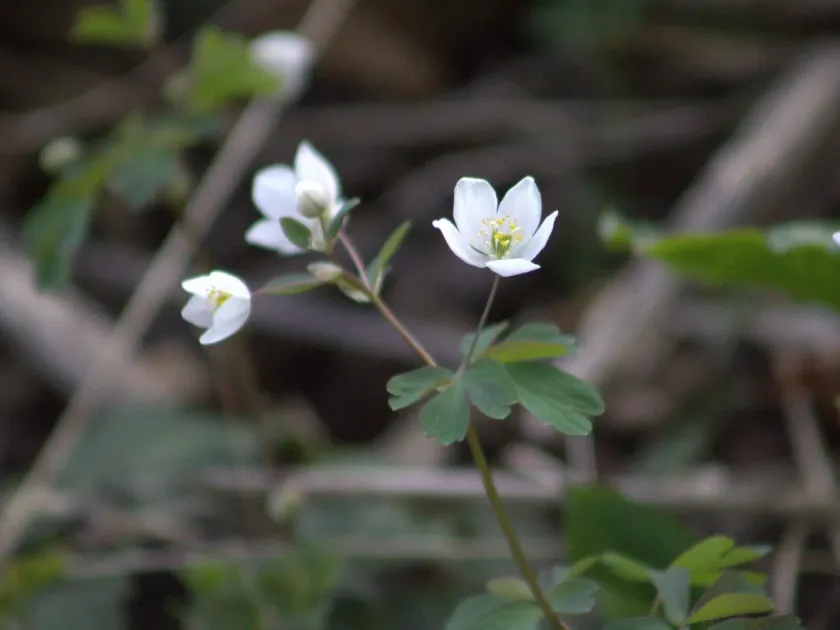
Description
Growing requirements
Isopyrum thalictroides, commonly known as the Rue-leaved Isopyrum, belongs to the Ranunculaceae family. It is a delicate, rhizomatous perennial native to the woodlands of Europe, known for its fern-like foliage and white flowers.
This plant thrives in moist, humus-rich soils with a slightly acidic to neutral pH. As a spring ephemeral, it completes its growth cycle early in the season, typically flowering between April and May, before retreating into dormancy during the heat of summer.
It is strictly a shade-loving species. In cultivation, it requires protection from direct sunlight, which can quickly scorch its foliage and dehydrate the root zone. A cool, sheltered position is ideal for long-term health.
Maintaining consistent soil moisture is crucial. While it requires drainage to prevent root rot, the soil should never be allowed to dry out completely during the active growth phase in early spring.
Propagation is best achieved through division of the rhizomes during the dormant season. Seed propagation is also possible, but seeds must be sown immediately after maturation or undergo winter stratification to break dormancy.
Main diseases and pests
The most common threat to Isopyrum thalictroides is waterlogging. Poorly drained soil leads to crown and root rot, which is often fatal for this delicate woodland plant. Proper soil aeration is essential for survival.
Slugs and snails are the primary pests. These gastropods are particularly attracted to the fresh, succulent spring growth and can cause significant damage to the plant's aesthetic value and overall vigor.
Fungal diseases like powdery mildew may affect the foliage if the planting site lacks sufficient air circulation. This is most prevalent in years with humid, stagnant weather conditions during the late spring.
Nematode infestations can occur in compacted or improperly maintained soils. To prevent such issues, growers should ensure a clean environment and avoid introducing infected soil or plant material into the planting site.
Mechanical damage from improper weeding or soil cultivation during the dormant period is a major risk. Because the plant disappears completely in summer, marking the site is highly recommended to avoid accidental disturbance of the rhizomes.