
Iris tingitana
Iris tingitana Boiss. & Reut.
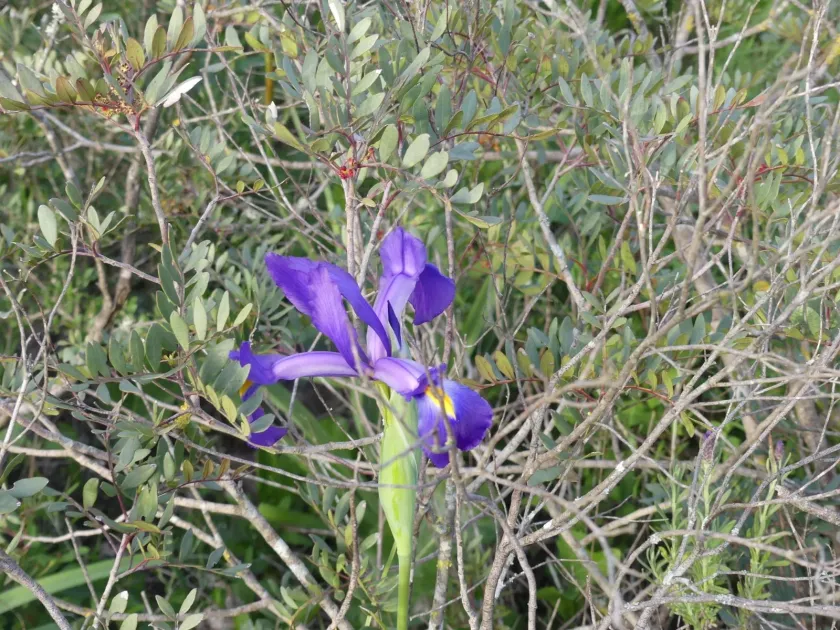
Description
Sowing dates
Iris tingitana is propagated primarily through the division of bulbs. Planting is best carried out in the autumn to ensure that the root system establishes before the ground cools significantly.
In regions with harsh winters, this bulbous crop requires protective covering or must be grown in greenhouses to avoid damage to the bulb during the dormant phase.
The bulbs should be planted at a depth of approximately 10 to 12 centimeters, providing adequate spacing of 15 centimeters to allow for proper airflow and root expansion.
When used for cut flower production in greenhouse environments, planting schedules are strictly managed to meet market demand during specific off-seasons.
Selection of high-quality, firm bulbs is essential for professional cultivation, as damaged material is highly susceptible to soil-borne pathogens.
Growing requirements
This species belongs to the Iridaceae family and is native to North Africa and the Iberian Peninsula, thriving in warm, Mediterranean-like environments.
The crop demands well-draining soil with a neutral to slightly alkaline pH; poor drainage is the primary limiting factor for successful commercial yield.
Full sun exposure is mandatory for healthy development and high-quality bloom production throughout the vegetative season.
During the summer dormancy period, the bulbs must be kept in relatively dry soil to prevent rot, mimicking the natural drought conditions of their native range.
Effective agrotechnical practices include maintaining structural soil health and avoiding excessive nitrogen fertilization that may cause overly succulent, fragile growth.
Main diseases and pests
The primary threats to Iris tingitana are fungal rot complexes, such as Fusarium, which develop rapidly in waterlogged or overly compacted soil conditions.
Root mites and thrips are common pests that can compromise plant vigor, often requiring systematic insecticide application throughout the growth cycle.
Bacterial soft rot remains a significant concern in high-humidity cultivation environments, often exacerbated by physical damage to the bulbs during storage.
Integrated Pest Management (IPM) strategies, including fungicide treatments and crop rotation, are essential to maintain a healthy bulb stock for future plantings.
Monitoring for signs of discoloration and wilting is vital for early detection, allowing for the isolation of infected plants to protect the rest of the crop.