
Impatiens tuberosa
Impatiens tuberosa
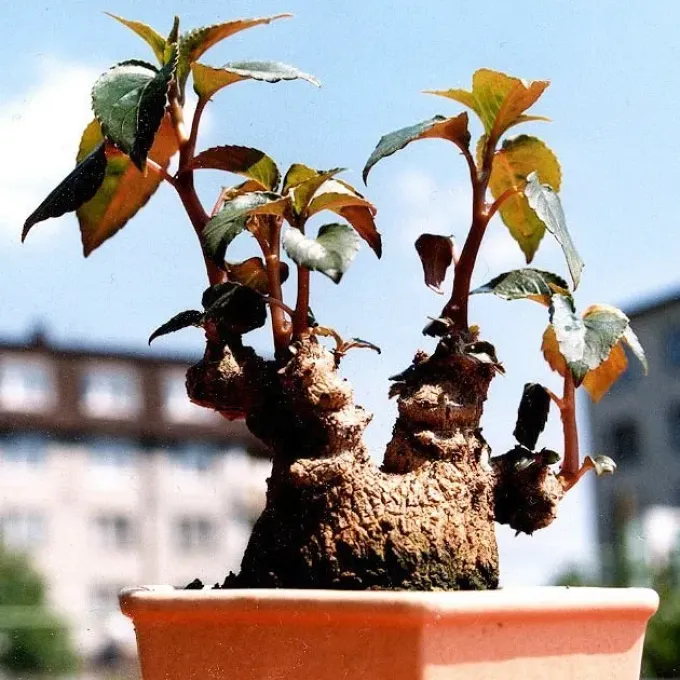
Description
Sowing dates
Propagation of this exotic species, a member of the Balsaminaceae family, is typically achieved through seeds or stem cuttings during the spring season. Seeds require a sterile, loose substrate and a consistent temperature of 22–24 degrees Celsius to ensure optimal germination rates.
The substrate should be light and well-draining, incorporating perlite or vermiculite to prevent soil compaction. Surface sowing is recommended, followed by maintaining high humidity levels under a cover until the first seedlings emerge successfully.
Stem cuttings are a faster method for propagation. Healthy apical shoots should be taken and rooted in water or a moist sandy mix, ensuring they receive bright, indirect light to stimulate root development without causing leaf stress.
Once seedlings reach the stage of having 2–3 true leaves, they should be carefully transplanted into individual pots. Extreme caution is necessary, as the stems and the developing tuber are delicate and can be easily damaged during the process.
Early spring, specifically from March to April, is the most favorable time to initiate propagation, as the increasing natural light levels provide the energy required for rapid root establishment and vegetative growth.
Growing requirements
Impatiens tuberosa originates from high-altitude environments and requires specific climate conditions to thrive. The plant prefers moderate temperatures and must be protected from extreme heat, which can jeopardize the health of its tuberous root system.
The soil must have exceptional drainage qualities. A recommended potting mix includes leaf mold, sand, and a small portion of charcoal to aid in moisture management and prevent fungal accumulation around the tuber base.
Bright, indirect light is essential for maintaining plant vigor. Direct midday sun can cause significant leaf scorch, so placing the plant near an east or west-facing window with light filtration is ideal for continuous growth.
Maintaining adequate air humidity is crucial for the overall health of the plant. During winter months, when heating systems dry out the air, supplemental humidity through misting or the use of room humidifiers is highly recommended.
Watering schedules must be adjusted according to the plant's growth cycle. During active growth, water consistently but allow the top layer of the substrate to dry out; during dormancy, watering should be reduced to prevent tuber rot.
Main diseases and pests
The primary threat to this species is fungal infection, which often stems from overwatering and poor air circulation. Root and tuber rot are particularly devastating, as they can lead to rapid decay if the substrate remains waterlogged.
Spider mites are the most common pest, especially in environments with low air humidity. These pests feed on the undersides of the leaves, causing chlorosis, stippling, and eventual leaf drop if the infestation is left unmanaged.
Mealybugs can also pose a problem, manifesting as white, cotton-like masses in leaf axils. They extract vital nutrients from the plant, significantly hindering its ability to produce flowers and slowing down overall development.
Preventive measures include regular inspection of the foliage and ensuring the growing space is well-ventilated. Proper water management acts as the primary defense against the development of common fungal pathogens.
If an infestation occurs, chemical control using systemic insecticides or acaricides is recommended. Treatments should be repeated at 7–10 day intervals to ensure that all stages of the pest lifecycle are effectively addressed.