
Impatiens tripetala
Impatiens tripetala
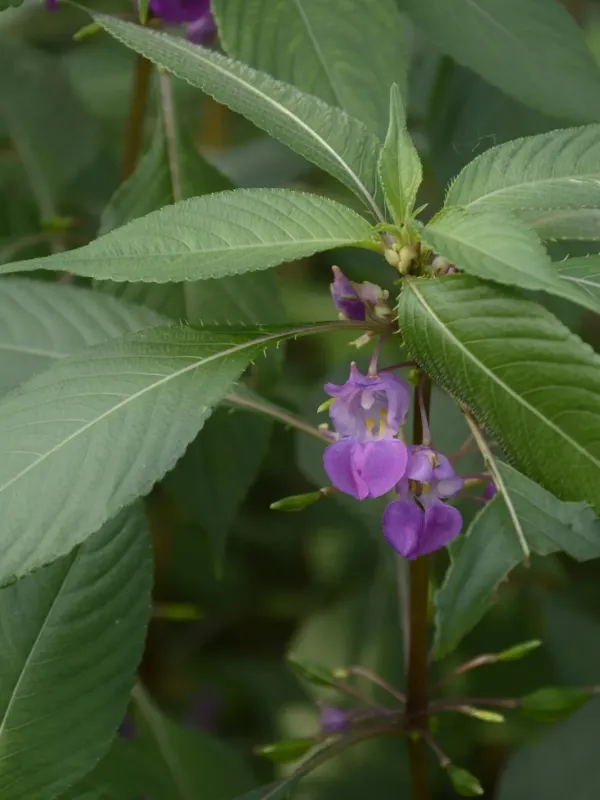
Description
Sowing dates
The propagation of Impatiens tripetala is typically initiated in late winter using high-quality seeds that require light and warmth to break dormancy and emerge successfully.
Seeds should be pressed gently into the substrate without covering them heavily, as light is often a crucial factor for the germination of species in the Balsaminaceae family.
Maintaining a consistent environment with high humidity and a temperature range of 22–24 degrees Celsius is essential for achieving a high percentage of seedling success.
Once true leaves appear, seedlings should be carefully pricked out into larger containers, allowing them to develop a robust root system before their final transplantation.
Gradual acclimatization to outdoor conditions is necessary if the plants are intended for garden use, protecting them from direct midday sun and sudden cold temperature drops.
Growing requirements
Impatiens tripetala thrives in partial shade conditions, making it an excellent candidate for shaded garden borders or as an attractive indoor houseplant in bright rooms.
The soil must be rich in organic matter and possess excellent drainage properties, as the roots are sensitive to waterlogging which can lead to rapid decay of the system.
Regular irrigation is vital to keep the plant hydrated, but it is important to allow the surface layer of the soil to dry slightly between watering sessions to avoid rot.
The plant performs best in a stable climate with temperatures ideally between 18 and 25 degrees Celsius, avoiding exposure to strong winds or direct heat sources.
Fertilization with balanced, water-soluble nutrients during the growing season will support the plant's natural vigor and encourage continuous, healthy flower production.
Main diseases and pests
Common pests affecting Impatiens tripetala include spider mites and aphids, which are particularly troublesome when the plant is kept in environments with low humidity levels.
Fungal diseases like powdery mildew are common in crowded plantings where air circulation is restricted, potentially causing white spots on foliage and stunted growth.
Root rot, often caused by overwatering or poor soil aeration, is a significant threat that can kill the plant quickly if moisture management is not strictly controlled.
Botrytis, or gray mold, can develop on flowers and stems during periods of cool, damp weather, necessitating the removal of affected parts to prevent further spread.
Integrated pest management, including the use of neem oil or specific horticultural soaps, is recommended to keep the plant free from common insect infestations.