
Impatiens textori
Impatiens textori
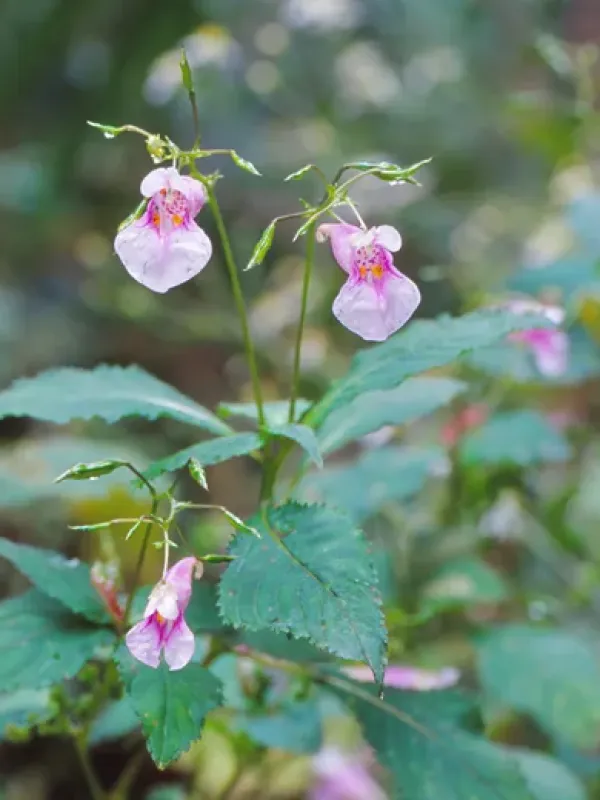
Description
Sowing dates
Impatiens textori is a herbaceous annual belonging to the Balsaminaceae family. Sowing is typically conducted in the spring once the danger of frost has passed completely.
For earlier blooms, seeds should be started indoors in seed trays during late winter or early spring. Consistent warmth is required for successful germination within 14 to 21 days.
When sowing in open soil, the seeds should not be deeply buried. They require light to germinate effectively, so a light dusting of fine soil or vermiculite is sufficient to keep them in place.
Spacing is a critical factor for the health of the plants. It is recommended to maintain a distance of at least 25-30 centimeters between specimens to ensure airflow and reduce humidity.
Site selection should focus on protected areas. Although they are annuals, they thrive when established in sheltered spots away from gusty winds that can snap their succulent stems.
Growing requirements
The plant prefers semi-shaded environments with protection from the harsh afternoon sun. Intense light can cause rapid wilting and leaf scorch in this species.
Soil requirements involve well-draining, humus-rich earth. If the native soil is too heavy, the addition of organic compost is highly recommended to improve structure and aeration.
Watering management is key to successful growth. The substrate should be kept consistently moist but never waterlogged, as poor drainage is a primary cause of root failure.
Fertilization with a balanced, water-soluble fertilizer is beneficial during the active growth period. Over-fertilization with high nitrogen levels should be avoided to prevent excessive foliage growth.
The optimal temperature range is between 18 and 25 degrees Celsius. Impatiens textori performs best when temperatures remain stable without extreme fluctuations in climate.
Main diseases and pests
Pests like spider mites and whiteflies represent the main biological threat. These insects thrive in warm, dry environments and can quickly infest a whole patch of Impatiens.
Fungal pathogens such as powdery mildew and grey mold are common in poorly ventilated areas with high moisture levels. These conditions facilitate rapid spore development.
Integrated pest management, including the use of neem oil or insecticidal soaps, is effective for controlling minor infestations without damaging the plant tissues.
Proper hygiene, such as removing fallen leaves and pruning dead parts, helps to minimize the risk of recurring fungal infections throughout the growing season.
- Monitoring for discoloration and webs on foliage
- Maintaining good spacing to encourage air circulation
- Applying fungicides at the first sign of mildew infection