
Impatiens sulcata
Impatiens sulcata
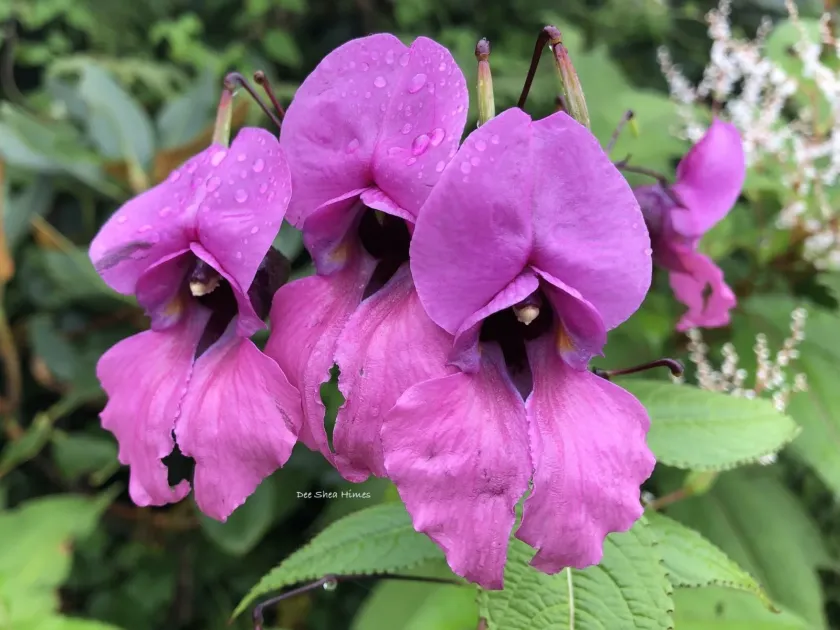
Description
Sowing dates
Impatiens sulcata is an annual herbaceous plant belonging to the Balsaminaceae family. Known for its distinct grooved stems, this species is well-adapted to high-altitude environments and humid climates.
The sowing process is typically carried out in late spring once the soil temperature is consistently above 12 degrees Celsius. Seeds should be sown at a shallow depth to ensure they receive enough light for germination.
Proper spacing is crucial for this crop, as plants can become quite bushy during their peak growth phase. Providing 50–60 cm between rows allows for adequate airflow, which is essential for disease prevention.
Germination is generally rapid if soil moisture is maintained. In agricultural settings, direct seeding is preferred over transplantation, as the root system of Impatiens is sensitive to disturbance.
The plant has a natural mechanism for seed dispersal, which can be challenging during harvesting. Farmers should monitor the plants closely as they approach maturity to prevent premature seed loss.
Growing requirements
This crop thrives in moist, cool conditions and is highly sensitive to drought. A consistent water supply is necessary throughout the growing season to support its rapid biomass development.
Soil requirements include rich, well-draining organic substrates. While the plant loves water, stagnant moisture in the root zone must be avoided, as it leads to rapid physiological decline and decay.
Partial shade is ideal for Impatiens sulcata, especially in regions with intense midday sun. Overexposure to direct sunlight can lead to leaf scorching and stunted development if irrigation is insufficient.
Nitrogen-based fertilization is beneficial during the early vegetative stage, boosting the production of stems and leaves. However, excessive chemical application should be avoided to maintain the plant's natural health.
In high-altitude farming, the crop is valued for its ability to withstand cool nights. Temperature stability is key, so sites with excessive daily fluctuations should be avoided when possible.
Yield
The primary yield from Impatiens sulcata is its voluminous green biomass. Its rapid growth cycle allows for potentially multiple harvest cycles in favorable climatic regions throughout the season.
The plant is being studied for its potential as a source of fiber. The structural integrity of the stems makes them an interesting subject for sustainable materials research within the agricultural sector.
Seed production is significant, but due to the explosive nature of the seed pods (a characteristic of the genus), automated harvesting techniques are currently not fully developed for this crop.
When managed as a forage crop, the plant provides substantial bulk, though it is essential to ensure that no toxic alkaloids are present that could affect livestock consumption.
Productivity metrics are highly dependent on water access and soil quality. High-yielding plots require careful moisture management to prevent the biomass from wilting during the peak of summer.
Main diseases and pests
Powdery mildew is the most significant pathological threat to this crop. The disease manifests as a white, dusty layer on leaves, which quickly spreads in dense, humid plantings.
Root rot caused by fungal pathogens is a constant risk in poorly drained soils. Once detected, infected plants must be removed immediately to prevent the spread of the infection to healthy individuals.
Spider mites are a common pest that thrives in warmer, dry spells. They can cause severe damage by piercing plant tissues, leading to discoloration and the eventual death of the affected foliage.
Aphids can also colonize young stems, sucking sap and weakening the plant. Integrated pest management (IPM) strategies, including biological control agents, are recommended over harsh chemical interventions.
Crop rotation is a fundamental practice to manage soil health. Moving the crop to a different location every few years significantly lowers the risk of soil-borne pathogens accumulating in the field.