
Impatiens stuhlmannii
Impatiens stuhlmannii
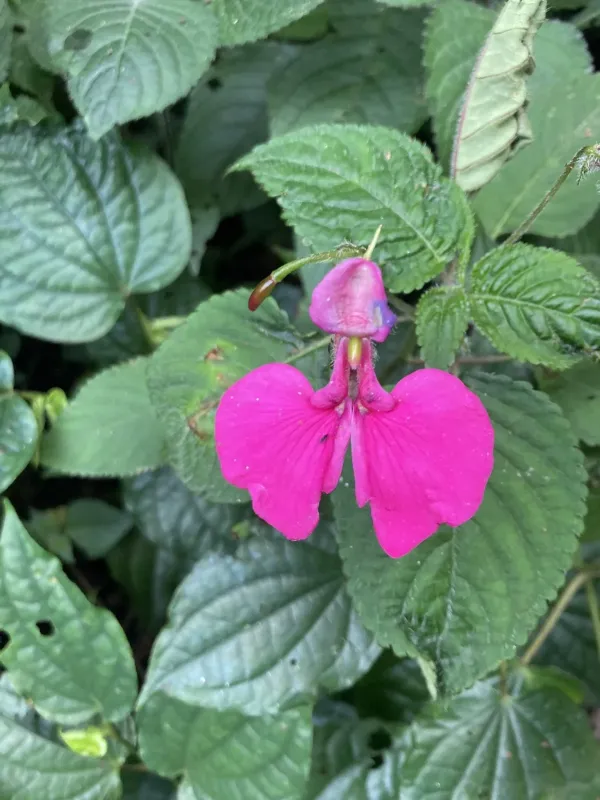
Description
Growing requirements
Impatiens stuhlmannii is a distinct species within the Balsaminaceae family, valued for its unique floral architecture and suitability for container gardening. This herbaceous plant is native to the mountainous regions of Eastern Africa, reflecting its tropical origins.
The plant requires a stable environment with consistent humidity levels. In cultivated settings, it thrives best in shaded or semi-shaded areas, avoiding the intense heat of direct mid-day sun, which can cause leaf desiccation and plant stress.
Soil requirements for this species include a well-aerated, moisture-retentive, and nutrient-rich medium. Adding organic matter or peat moss can help maintain the slight acidity that this plant prefers for optimal nutrient uptake.
Temperature management is critical for the success of Impatiens stuhlmannii. The plant is highly sensitive to cold and should only be introduced to external environments when nightly temperatures reliably stay above 15 degrees Celsius.
Maintenance involves frequent, light irrigation to ensure the soil remains moist but not waterlogged. Over-watering is the most common mistake in managing this crop, often leading to rapid decline of the specimen.
Main diseases and pests
The crop is prone to fungal pathogens, particularly when air circulation is inadequate. Botrytis blight is a significant risk in humid, cool conditions, making proper plant spacing a vital component of the production cycle.
Common horticultural pests, such as spider mites, aphids, and whiteflies, frequently colonize these plants. They thrive in sheltered environments where the plant is often grown, necessitating an Integrated Pest Management (IPM) approach.
Root-rot pathogens are a primary cause of mortality in Impatiens stuhlmannii. These diseases are exacerbated by heavy, poorly draining soils and over-irrigation, highlighting the need for careful water management.
Powdery mildew may manifest as a white, dusty layer on the foliage, significantly reducing the plant's ornamental value. Regular application of preventative fungicides and maintaining optimal humidity levels help suppress this issue.
Effective management includes early detection of infestations and the prompt removal of symptomatic plant material. Using clean, sterile growing media is essential to prevent soil-borne pathogens from establishing in the plant root zone.