
Impatiens stenantha
Impatiens stenantha
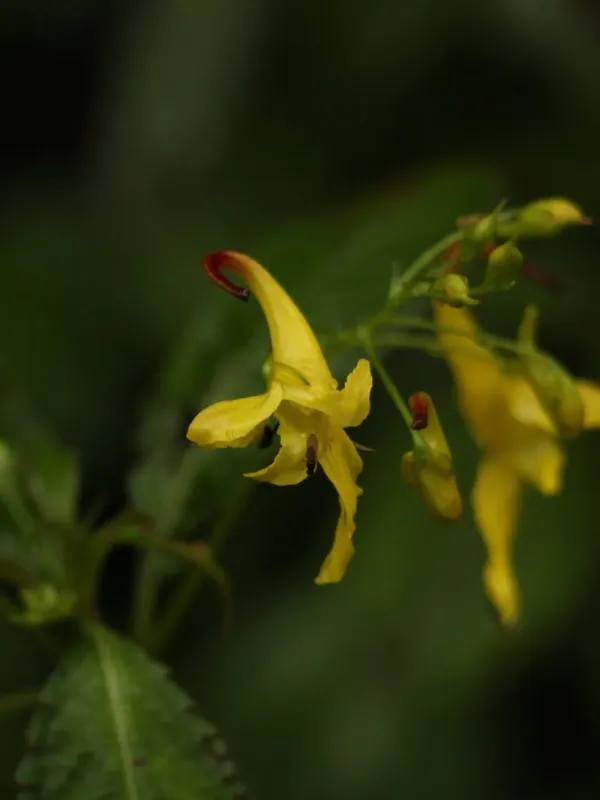
Description
Sowing dates
Sowing seeds of Impatiens stenantha is typically performed in late winter to early spring, providing a head start for the upcoming growing season.
The seeds should be sown on the surface of a light, sterilized seed-starting mix, as light is beneficial for their germination process.
Optimal germination conditions include a consistent temperature of approximately 21 degrees Celsius and high ambient humidity maintained by a cover or propagator.
Once seedlings have developed at least two sets of true leaves, they should be transplanted into individual pots to encourage stronger root development.
Hardening off is a mandatory process that must be completed over a period of 10 to 14 days before introducing the plants to their permanent outdoor location.
Growing requirements
Impatiens stenantha belongs to the Balsaminaceae family and is native to moist, forested regions where it thrives under forest canopies.
The plant prefers rich, moisture-retentive, and well-draining soil with a slightly acidic profile to maintain healthy, succulent stem growth.
Exposure to direct sunlight should be avoided at all costs, as it causes rapid wilting and scorched foliage, which significantly diminishes the plant's value.
A consistent irrigation regime is essential; the soil should be kept uniformly moist but never waterlogged to prevent the risk of stem rot.
Regular fertilization with a balanced liquid fertilizer during the peak blooming stage ensures the longevity and vibrancy of the delicate flowers.
Main diseases and pests
Fungal diseases like grey mould are common in high-humidity environments, especially when air circulation around the foliage is restricted.
Spider mites represent the primary pest threat, particularly in enclosed spaces where dry air allows them to proliferate rapidly across the plants.
Regular monitoring of the leaf undersides is recommended to detect early signs of insect activity, such as fine webbing or yellow mottling.
Cultural controls, such as removing debris and providing adequate spacing, serve as the first line of defense against many common plant pathogens.
Should an outbreak occur, the use of targeted horticultural soaps or appropriate organic fungicides is advisable to minimize damage to the crop.