
Raceme balsam
Impatiens racemosa
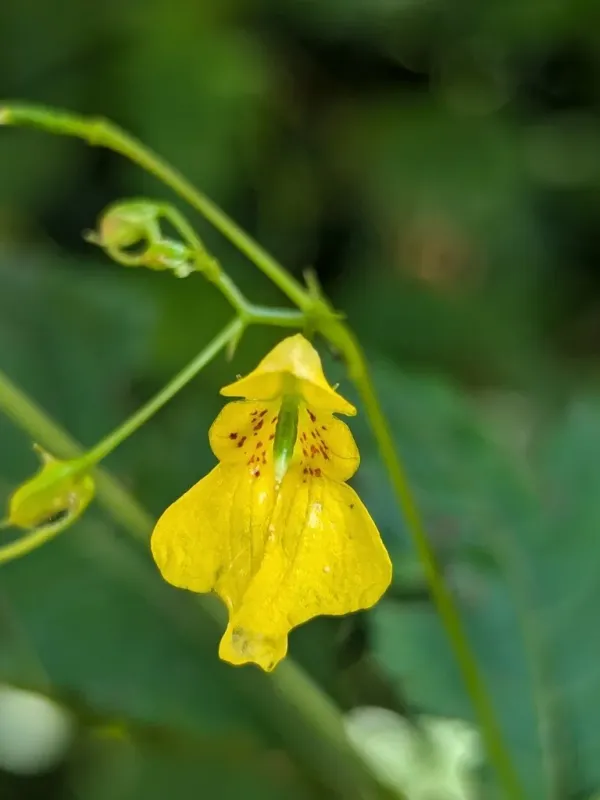
Description
Growing requirements
Impatiens racemosa, known as raceme balsam, is a herbaceous annual plant belonging to the Balsaminaceae family. Originating from the Himalayan regions and mountainous parts of India and Nepal, it thrives in high-altitude environments with temperate conditions.
The plant requires shaded or semi-shaded locations for optimal growth. It is highly sensitive to intense direct sunlight, which can lead to leaf scorching, and it requires protection from strong winds that can break its succulent stems.
Cultivation practices demand well-drained, nutrient-rich soil with a slightly acidic to neutral pH. A mix of peat, perlite, and garden soil is often recommended for pot culture to ensure moisture retention without causing root saturation.
Temperature management is critical: Impatiens racemosa performs best in the range of 18–24°C. It is strictly sensitive to frost and sudden cold snaps, which means it should only be planted outdoors once the danger of freezing has passed.
In terms of agricultural use, this species is primarily cultivated for ornamental purposes in landscapes and gardens. It is appreciated for its unique raceme-shaped inflorescences, which distinguish it from other common bedding impatiens species.
Main diseases and pests
Spider mites are the most common pest, particularly in dry conditions, causing leaves to yellow and wilt. Regular misting can help deter their population growth.
Powdery mildew is a prevalent fungal disease that manifests as a dusty white coating on leaves and stems, often triggered by poor air circulation and high humidity.
Root rot, caused by various species of Pythium or Phytophthora, is a significant threat associated with overwatering and heavy, compacted soil types.
Aphids can also occasionally infest the succulent tips of the plant, requiring the use of insecticidal soaps or specific horticultural oils for effective management.
To minimize disease pressure, it is essential to provide adequate spacing between plants, ensuring that air can flow freely, which reduces the buildup of excess moisture on the foliage.