
Impatiens pulchra
Impatiens pulchra
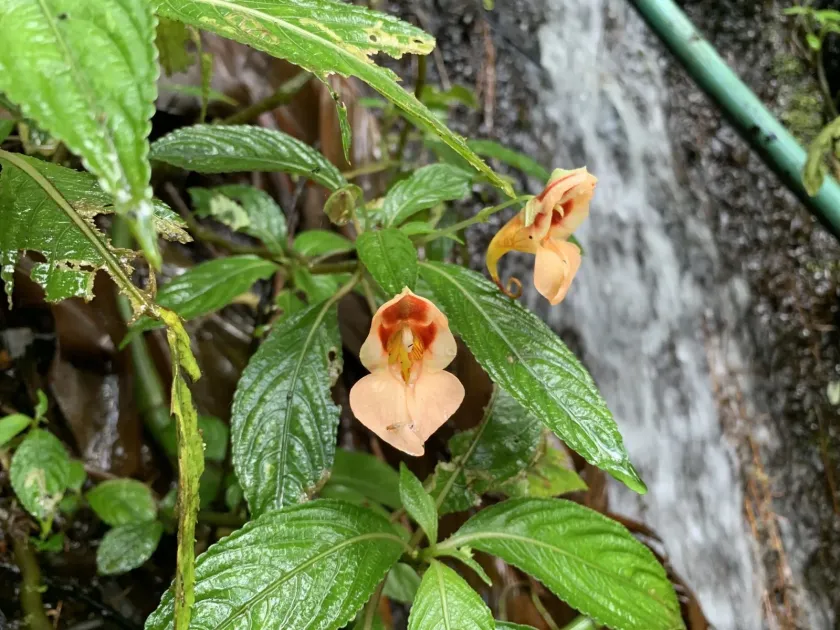
Description
Sowing dates
Impatiens pulchra is a member of the Balsaminaceae family, originating from the humid mountain regions of Southeast Asia. To achieve successful germination, seeds should be sown in late winter in a controlled, warm environment.
The substrate for sowing must be light, sterile, and slightly moist. Maintaining a constant temperature of about 21 degrees Celsius is essential for the uniform emergence of seedlings.
Once the seedlings develop their first true leaves, they should be carefully transplanted into larger pots. This ensures adequate space for root system development and prevents overcrowding.
Hardening off the plants before placing them outdoors is crucial for their survival. This process gradually acclimatizes the plants to outdoor temperatures and light conditions.
Direct planting in the garden should only occur when all danger of frost has passed. Impatiens pulchra thrives best in sheltered spots that provide protection from harsh elements.
Growing requirements
This species requires high ambient humidity and consistently moist, well-draining soil to maintain its lush foliage. It is highly sensitive to drought and will wilt rapidly if the substrate dries out completely.
Regarding light, this plant prefers filtered light or partial shade. Exposure to intense, direct sunlight, especially in the afternoon, can lead to scorched leaves and faded flower colors.
The soil should be nutrient-dense, incorporating organic compost to ensure a healthy root environment. An acidic to neutral pH level is ideal for optimal nutrient uptake.
Fertilization should be applied regularly during the growing season. A balanced liquid fertilizer, diluted to half strength, helps support continuous flowering throughout the peak season.
Pruning is an essential part of the care routine for this plant. By pinching back the growing tips, growers can encourage bushier, more compact growth and increase the total number of blooms.
Main diseases and pests
Impatiens pulchra is prone to common greenhouse pests, particularly spider mites and whiteflies. These pests thrive in dry conditions and can cause significant damage if left untreated.
Fungal diseases, such as grey mold or powdery mildew, pose a threat when air circulation is poor. Maintaining adequate spacing between plants is an effective preventive measure.
Overwatering is the primary cause of root rot in this species. Ensuring that pots have excellent drainage and that the soil is not waterlogged is critical for long-term health.
Early detection of infestation or disease symptoms is vital for effective management. Using appropriate systemic pesticides or fungicides can help control outbreaks before they spread.
- Regular inspection for pest activity.
- Avoiding overhead watering to keep foliage dry.
- Ensuring good ventilation in all growth areas.