
Impatiens poilanei
Impatiens poilanei
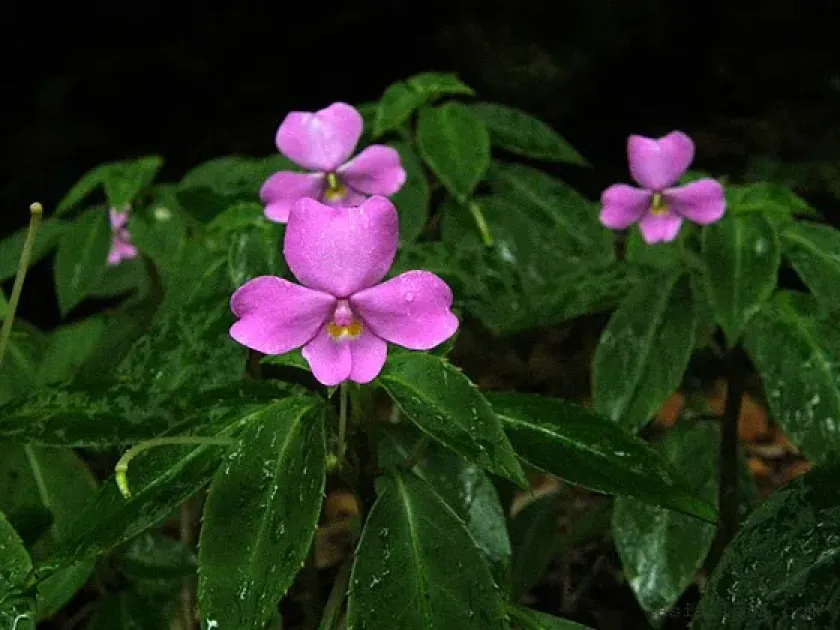
Description
Growing requirements
Impatiens poilanei is a distinctive herbaceous species belonging to the Balsaminaceae family. Originating from the mountainous regions of Southeast Asia, it is highly valued for its specialized growth habits and unique morphology characteristic of tropical flora.
To cultivate this plant successfully, it is essential to provide an environment that mimics its natural habitat. It thrives in shaded or semi-shaded locations with high ambient humidity, as excessive exposure to direct sunlight can cause leaf stress and rapid dehydration.
The soil requirements focus on high organic content and excellent drainage properties. A mixture of peat, perlite, and leaf compost provides the necessary structure to keep the root system oxygenated while maintaining the steady moisture levels the species requires.
Temperature management is critical for the physiological stability of Impatiens poilanei. It performs best in a stable temperature range between 18°C and 24°C. Protecting the plant from cold drafts and extreme thermal fluctuations is necessary for long-term health.
Regular irrigation is required, but it must be performed with caution. The substrate should remain consistently moist but never waterlogged. Using tepid, chlorine-free water helps prevent mineral buildup and root shock, ensuring the plant remains vigorous throughout its growth cycle.
Main diseases and pests
The primary pest threats to Impatiens poilanei include spider mites and thrips, which are particularly problematic in greenhouse environments with low relative humidity. These pests feed on sap and can cause severe chlorosis and stunted growth.
Fungal issues, particularly root rot, pose a significant risk if soil drainage is inadequate. Pathogenic organisms thrive in stagnant water conditions, necessitating strict adherence to irrigation schedules and the use of well-aerated potting substrates to prevent infection.
Powdery mildew can manifest if there is poor airflow around the foliage. Ensuring adequate spacing between plants and maintaining consistent air circulation is an effective cultural practice to mitigate the risk of fungal spread across the collection.
Biological controls are preferred for managing pest outbreaks, as the plant's delicate tissues may react negatively to harsh synthetic chemicals. Monitoring for early signs of infestation allows for targeted interventions before the health of the plant is compromised.
Sanitation practices are essential for long-term disease management. Regularly removing spent flowers and fallen leaves prevents the accumulation of organic debris that could harbor pathogens, thereby maintaining a hygienic environment for the plant to thrive.