
Impatiens omeiana
Impatiens omeiana
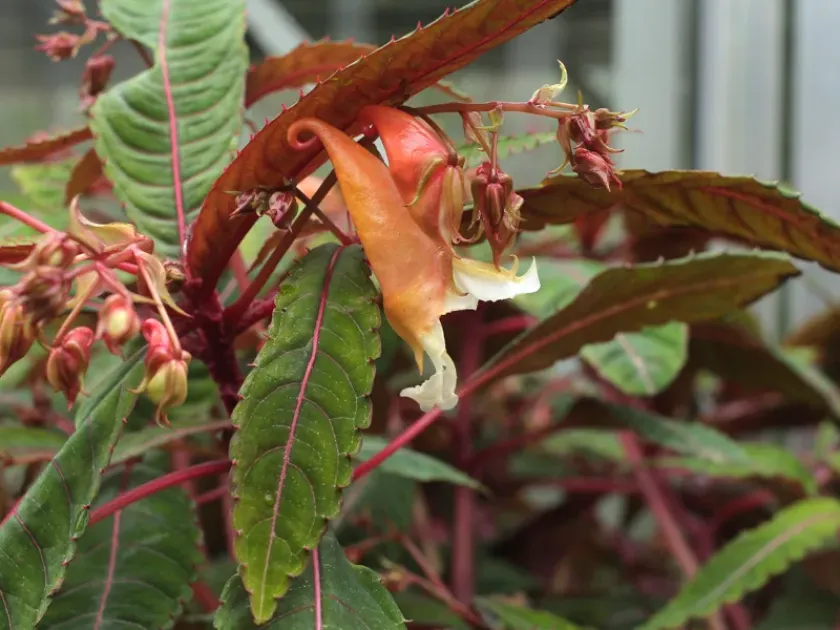
Description
Sowing dates
Propagation of Impatiens omeiana is most efficient through vegetative methods, specifically dividing the rhizomes during the dormant period. This ensures the survival and stability of the cultivar's characteristics.
Seed sowing is possible but challenging, as the seeds often require a period of cold stratification to break dormancy. Seeds should be sown in a light, sterile seed-starting mix and kept at a stable, cool temperature.
Maintenance of high humidity during the germination process is essential. A misting system or covering the tray with a clear film can help sustain the necessary moisture levels for the delicate seeds.
Once seedlings have developed their true leaves, they should be transplanted into individual pots. This transition phase requires careful handling of the root system to prevent transplant shock.
Final planting in the garden should occur once temperatures remain consistently above freezing. Space the plants adequately to allow for the horizontal spread of their creeping rhizomes, which creates an attractive ground cover.
Growing requirements
Impatiens omeiana is a shade-loving species native to the moist, high-altitude forests of Mount Emei. It thrives best in environments that mimic its natural habitat, offering dappled light and cool temperatures.
The soil should be rich in organic matter, loose, and well-draining. Acidic to neutral pH levels are ideal, and incorporating compost into the planting hole will significantly benefit long-term growth.
Consistent moisture is key; the soil should never be allowed to dry out completely. Mulching around the base of the plant with leaf mold or compost helps retain humidity and suppresses unwanted weeds.
Fertilization should be handled with care, using a balanced, water-soluble fertilizer at half-strength during the growing season. Excessive nitrogen should be avoided to prevent leggy growth and reduced flowering.
In terms of climate, the plant prefers cooler summers. In regions with intense heat, additional protection from wind and afternoon sun is mandatory to prevent foliage wilting and scorching.
Main diseases and pests
Powdery mildew is the most common fungal issue for this species, especially in environments with poor air circulation. Improving plant spacing is a primary defense strategy against this infection.
Gastropods, including slugs and snails, are particularly attracted to the succulent foliage of this plant. Utilizing copper tape or organic slug bait around the planting perimeter is often highly effective.
Root rot caused by Phytophthora or Pythium species is a risk if the drainage is inadequate. Using well-draining potting soil is critical for preventing this devastating soil-borne disease.
Aphids can infest new growth, sucking sap and causing leaf deformation. Periodic inspection of the undersides of the leaves allows for early detection and manual removal or treatment.
Botrytis blight may manifest during cool, wet seasons as a grayish mold on petals or stems. Removing debris and maintaining a clean planting environment are the best ways to mitigate this threat.