
Impatiens morsei
Impatiens morsei
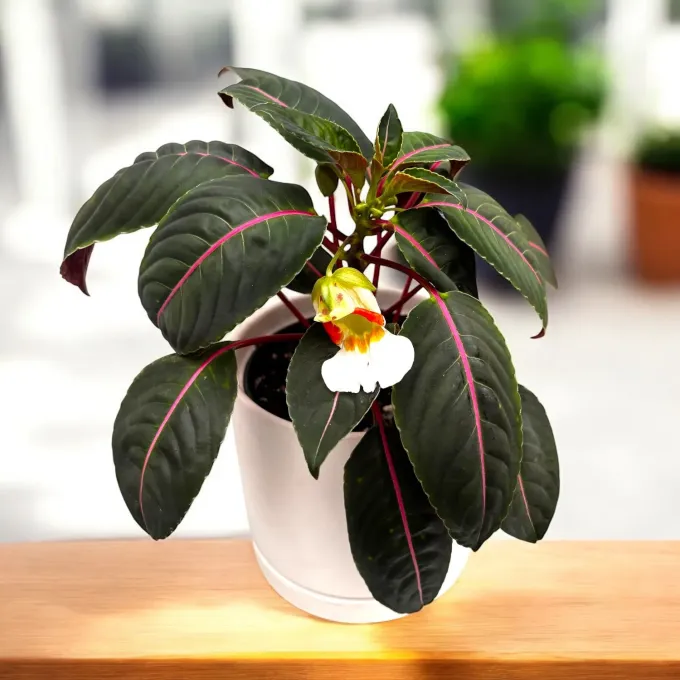
Description
Sowing dates
Impatiens morsei is typically propagated from seeds sown in early spring, requiring controlled conditions for successful germination.
The sowing substrate must be a fine-textured, sterile medium that retains moisture while preventing waterlogging, which is critical for seedling health.
Seeds should be lightly covered with a thin layer of vermiculite or left exposed to light if specified by the cultivar requirements to trigger emergence.
Maintaining a stable temperature around 21 degrees Celsius is essential for uniform germination, which generally occurs within 14 to 21 days after sowing.
Once seedlings have reached the two-leaf stage, they should be transplanted into individual pots to ensure adequate space for root system development.
Growing requirements
As a member of the Balsaminaceae family, this species thrives in humid, shaded environments that mimic its natural understory habitat.
The plant requires well-draining, humus-rich soil, and it is highly sensitive to both drought and prolonged waterlogged soil conditions.
Light levels must be carefully managed; filtered or indirect bright light is ideal to prevent leaf scorch and maintain vibrant foliage coloration.
Fertilization should be applied on a regular basis during the growing season using a balanced liquid fertilizer to support continuous blooming.
Climate control is vital, as the plant cannot tolerate frost or temperatures below 10 degrees Celsius, requiring indoor or greenhouse protection in cool climates.
Main diseases and pests
Spider mites are the most significant pest concern, thriving in the warm, dry conditions often found in indoor gardening settings.
Aphids can cause substantial damage to young shoots, leading to stunted development and the spread of viral pathogens among the plant population.
Fungal issues, particularly gray mold and root rot, are common outcomes of poor air circulation and excessive moisture in the root zone.
Root-knot nematodes can occasionally affect the root system, emphasizing the importance of using sterilized, high-quality potting compost.
Integrated pest management strategies, including regular monitoring and the use of appropriate biological controls, are recommended for maintaining plant vigor.