
Impatiens mackeyana
Impatiens mackeyana
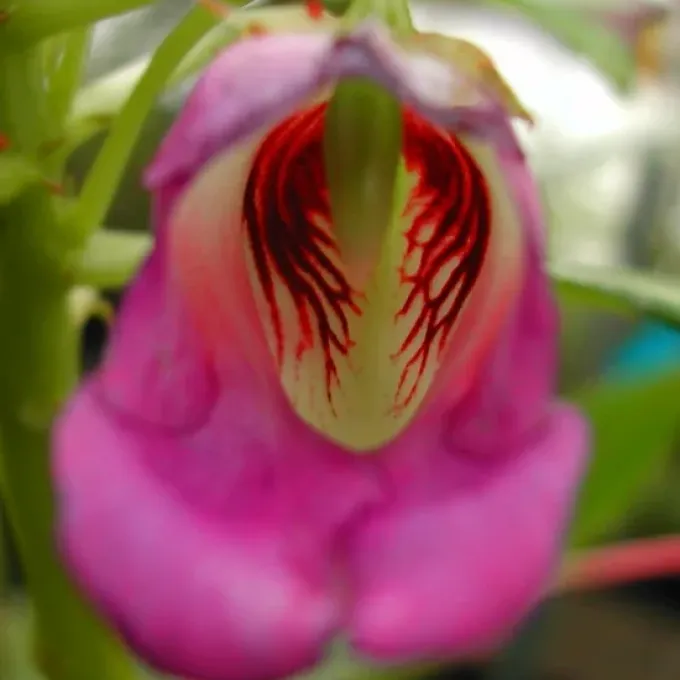
Description
Sowing dates
Sowing Impatiens mackeyana seeds is best performed in controlled environments, typically using high-quality potting mixes designed for delicate ornamental seeds.
Early spring, from March to April, is the ideal window to start seeds in trays, allowing sufficient time for the plant to establish before the warmer season begins.
The seeds should be sown on the surface or covered with a very fine layer of substrate, as they require ambient light for successful germination and early development.
Proper moisture control during the germination stage is essential; the use of a humidity dome or film covering helps to maintain a stable environment for the small seedlings.
After the germination phase, seedlings should be transferred to individual cells to promote root system expansion and reduce competition between young plants.
Growing requirements
As a member of the Balsaminaceae family, Impatiens mackeyana thrives in environments that replicate its natural habitat of filtered light and humid atmospheric conditions.
The plant requires well-drained, nutrient-rich soil that holds moisture without becoming waterlogged, which is a critical balance for the overall health of the specimen.
Optimal growth temperatures generally range between 18 and 24 degrees Celsius, with protection from extreme heat and direct afternoon sunlight to prevent foliar damage.
Regular fertilization with a balanced, water-soluble fertilizer is recommended during the growing season to support continuous blooming and robust stem development.
Spatial requirements are important; ensuring adequate air circulation between plants is vital to reduce humidity-related physiological stress and disease pressure.
Main diseases and pests
Fungal pathogens such as Pythium and Botrytis are the most significant threats to this species, especially in environments where drainage and airflow are poorly managed.
Powdery mildew can manifest during periods of stagnant air and moderate humidity, necessitating the use of systemic fungicides or adjustment of environmental conditions.
Spider mites represent a major pest risk, particularly in indoor or greenhouse settings where the air becomes too dry, allowing these pests to reproduce rapidly.
Effective management strategies include cultural practices such as sanitation, removal of diseased foliage, and consistent monitoring to detect pest outbreaks early.
Chemical control should be used judiciously, prioritizing products that are specifically labeled for use on Impatiens species to avoid phytotoxicity and plant stress.