
Impatiens kerriae
Impatiens kerriae
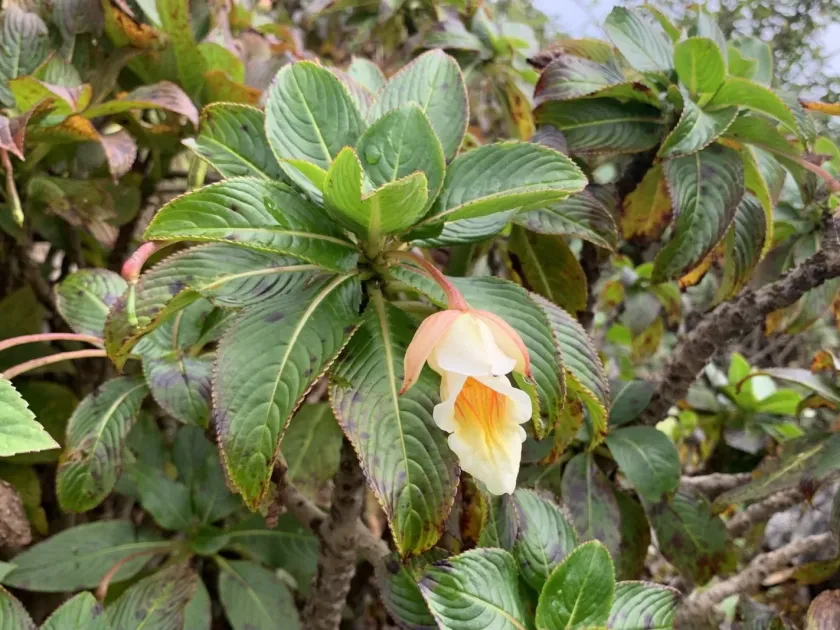
Description
Sowing dates
Sowing seeds of Impatiens kerriae should ideally take place in late winter or early spring, typically between February and March. This timing ensures sufficient development of seedlings before they are ready to be transplanted into open grounds.
The use of a light, well-draining substrate enriched with peat and perlite is essential for optimal seed germination. It is crucial to sow seeds on the surface and cover them only lightly, as light exposure is beneficial for the emergence of sprouts.
Maintaining a consistent temperature of 22-24 degrees Celsius is required for successful germination. Once the first true leaves appear, the seedlings should be moved to a brighter environment with slightly cooler temperatures to prevent stretching.
Transplanting seedlings into individual containers is recommended once they develop at least two or three sets of leaves. This process helps build a robust root system and reduces competition among plants for nutrients.
Hardening off the seedlings is a vital step before moving them to their final planting location. Since the species is highly susceptible to frost, planting outdoors must only occur once all risks of low temperatures have completely passed.
Growing requirements
The culture thrives best in fertile, loamy soil with excellent drainage properties. Soil composition must be managed to ensure that water does not accumulate around the root zone, as excessive moisture leads to rapid decay.
Regarding light, Impatiens kerriae prefers partial shade or dappled sunlight. Intense, direct sun exposure during the hottest hours of the day can lead to leaf scorching and significantly impair the plant's aesthetic quality.
Regular irrigation is required, keeping the substrate consistently moist but never waterlogged. Monitoring soil moisture regularly is necessary, especially during peak growth months when temperatures are higher.
Nutrient application should involve a balanced, water-soluble fertilizer every two weeks during the active season. Maintaining a healthy balance of macro and micronutrients promotes vigorous growth and continuous blooming.
- Avoidance of water stagnation in the root zone.
- Consistent air circulation to prevent microclimate issues.
- Routine soil surface loosening to improve oxygen penetration.
Main diseases and pests
Spider mites are the most common pests, particularly prevalent in warm, dry environments. They cluster on the underside of leaves and can cause yellowing and necrosis if not managed promptly.
Fungal issues, such as powdery mildew and grey mold, are frequently associated with high humidity and stagnant air. These diseases can devastate a planting site if environmental conditions are not carefully managed.
Aphids represent another common threat, feeding on young, tender growth and spreading potential viral infections. Effective pest management strategies involve early detection and targeted treatments.
Preventive measures include maintaining proper plant spacing to ensure air circulation and minimizing overhead watering in the evenings. These steps reduce the environmental favorability for pathogen development.
Integrated pest management, including the use of both biological and safe chemical interventions, is highly effective for maintaining the health and productivity of Impatiens kerriae throughout the season.