
Impatiens jurpia
Impatiens jurpia
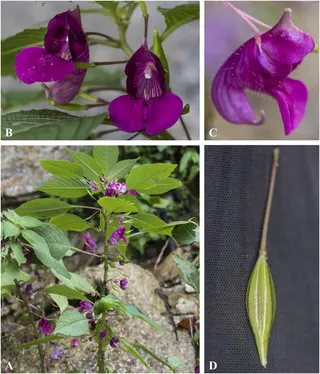
Description
Sowing dates
Sowing seeds of Impatiens jurpia requires precise timing, typically beginning in late winter to ensure strong seedlings for the upcoming growing season.
The seeds should be sown on the surface of a fine, sterile seed-starting mix, ensuring they remain in contact with light which is essential for germination.
Maintaining a consistent temperature of about 21 degrees Celsius is crucial during the germination process to prevent dormancy and promote uniform emergence.
Using a humidity dome or covering the trays with clear plastic helps retain the necessary moisture levels without waterlogging the delicate seeds.
Once seedlings have developed two sets of true leaves, they should be transplanted into larger containers to allow sufficient space for root development.
Growing requirements
Impatiens jurpia belongs to the Balsaminaceae family and is native to the Himalayan regions, where it thrives in cool, moist, and shaded environments.
It prefers well-drained, nutrient-rich soil with a slightly acidic pH, which mimics the natural forest floor conditions found in its native habitat.
The plant requires filtered light or partial shade throughout the day to prevent the foliage from scorching under direct, harsh sunlight.
Consistent soil moisture is essential; however, the soil must be well-drained to avoid the risk of root rot caused by prolonged water saturation.
Regular fertilization with a balanced, water-soluble fertilizer is recommended during the flowering period to support vigorous growth and continuous blooming.
Main diseases and pests
Spider mites are a major threat, particularly in environments with low humidity, as they can quickly infest the underside of leaves and cause severe damage.
Aphids tend to congregate on tender new growth, weakening the plant and potentially transmitting viral pathogens that stunt overall development.
Gray mold, or Botrytis, is a common fungal issue that arises when air circulation is poor and humidity levels remain excessively high for too long.
Root rot caused by overwatering or poorly draining soil remains the leading cause of plant failure, making proper irrigation management critical.
- Implement regular sanitation of the growing environment.
- Ensure adequate spacing between plants to allow for airflow.
- Monitor for early signs of infestation and apply insecticidal soap when necessary.