
Impatiens irvingii
Impatiens irvingii
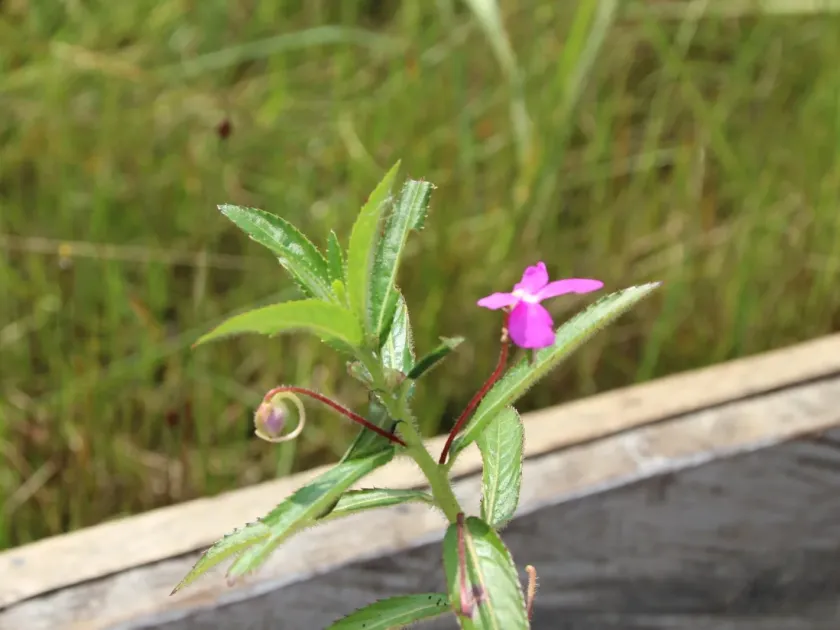
Description
Growing requirements
Impatiens irvingii is a herbaceous perennial plant belonging to the Balsaminaceae family. Native to the tropical regions of Africa, this species thrives in humid, shaded environments where consistent ambient moisture is available throughout the growing season.
The plant features succulent, erect stems and lanceolate leaves with serrated margins. Its biological structure is adapted to the forest understory, where it maximizes photosynthesis in low-light conditions by maintaining large, thin leaf surface areas.
Optimal growth requires a stable temperature range between 20°C and 25°C. The species is highly sensitive to cold stress and frost, making protected cultivation in greenhouses the most reliable method for maintaining healthy populations in non-tropical climates.
The soil must be rich in organic matter, well-draining, and maintain a slightly acidic to neutral pH level. Proper drainage is critical, as stagnant water in the root zone quickly leads to root rot and failure to absorb essential nutrients effectively.
Management techniques involve regular irrigation to ensure the soil remains moist without becoming waterlogged. Consistent application of diluted fertilizers can support vigorous vegetative growth, particularly in systems where intensive production is required.
Main diseases and pests
Fungal pathogens, particularly those causing root and stem rot, represent the primary threat to Impatiens irvingii cultivation. Excess humidity combined with poor airflow significantly exacerbates these issues and necessitates strict environmental control.
Pest management focuses largely on controlling spider mites and aphids, which thrive in environments where the air humidity is allowed to drop. These pests feed on plant sap, leading to stunted development, chlorosis, and potential total yield loss.
Integrated Pest Management (IPM) practices, including the use of biological control agents and targeted insecticidal treatments, are recommended. Early detection is crucial, as populations can explode rapidly under favorable laboratory or greenhouse conditions.
Maintaining adequate spacing between individual plants is a fundamental practice to ensure sufficient ventilation. This reduces the micro-climatic humidity around the leaf canopy, making it a less suitable environment for the rapid spread of fungal spores.
Sanitation practices, such as the immediate removal of necrotic tissue and sterilization of equipment, are necessary to prevent the accumulation of inoculum in the growing area. Proactive hygiene minimizes the frequency of chemical intervention required.