
Impatiens hypophylla
Impatiens hypophylla
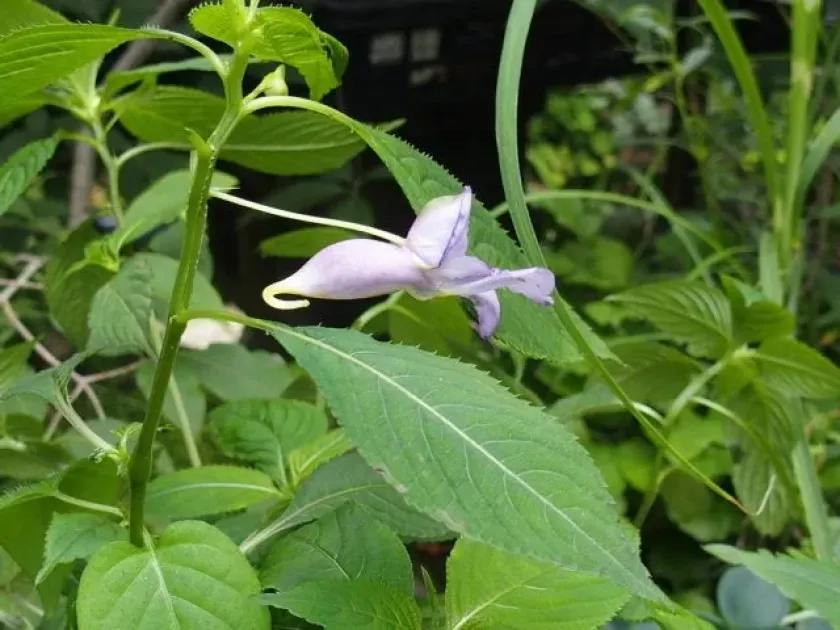
Description
Sowing dates
Sowing seeds of Impatiens hypophylla should ideally occur in late winter or early spring, approximately ten weeks before the last expected frost date.
Seeds are light-dependent for germination, so they should be sown on the surface of the soil and lightly pressed rather than buried deeply.
Maintaining high humidity is crucial during the germination phase; using a plastic cover or a humidity dome will help keep the moisture levels consistent.
The substrate must be light, sterile, and well-draining to prevent damping-off disease, which is a common risk for young seedlings.
Once seedlings have developed a few sets of true leaves, they should be transplanted into individual pots to facilitate stronger root development.
Growing requirements
Impatiens hypophylla belongs to the Balsaminaceae family and thrives best in shaded or partially shaded environments away from direct sunlight.
The soil should be rich in organic matter, consistently moist, and possess excellent drainage properties to support the plant's succulent stems.
Regular watering is mandatory, as the plant will quickly wilt if the soil dries out; however, waterlogging should be avoided to prevent root decay.
A temperature range of +20 to +25 degrees Celsius is ideal for active growth, as this species is sensitive to sudden cold drops and frost.
Fertilizing with a balanced, water-soluble fertilizer every two weeks during the growing season will promote vibrant foliage and consistent growth.
Main diseases and pests
Spider mites are a major threat, particularly in environments with low humidity, causing mottled leaves and eventually plant decline.
Overwatering coupled with poor air circulation often leads to fungal issues such as grey mold, which can rapidly spread across the entire foliage.
Aphids tend to colonize the tips of new growth, feeding on plant sap and potentially transmitting viral diseases to the host plant.
Integrated pest management, including regular inspection and the use of insecticidal soaps, is recommended for maintaining plant health.
Proper spacing between plants is essential to improve airflow, which significantly reduces the risk of fungal infections and keeps the foliage dry.