
Impatiens hochstetteri
Impatiens hochstetteri
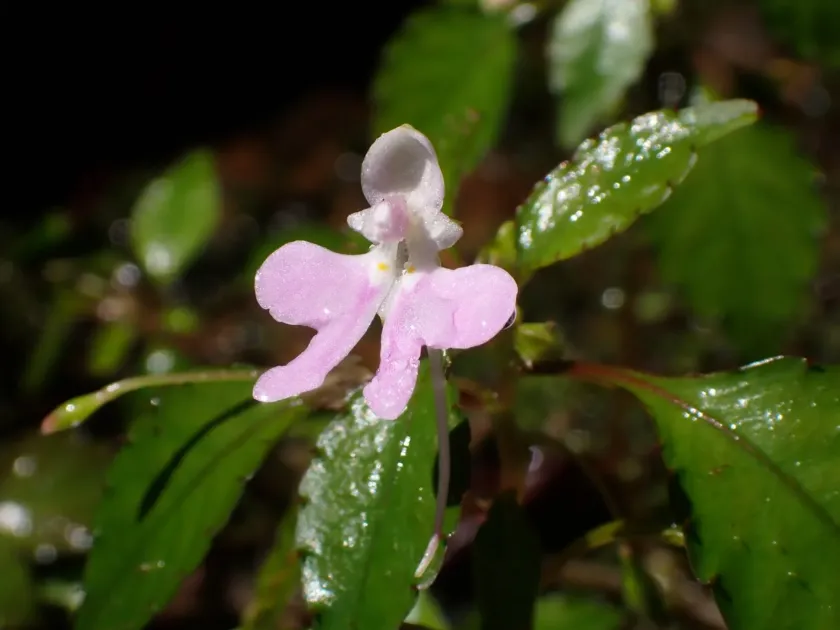
Description
Sowing dates
Impatiens hochstetteri is a member of the Balsaminaceae family, originating from the mountainous regions of East Africa. This species is often sought after by plant enthusiasts for its delicate flowers and specific growth habit that distinguishes it from more common garden varieties.
Propagation is typically carried out via seeds, which are sown in early spring. Given its tropical and mountain roots, the plant requires a warm, controlled environment during the germination phase to ensure a high success rate before transplanting outdoors.
The ideal substrate for sowing is a light, well-draining mix containing peat or coco coir and perlite. The seeds should be lightly covered with fine soil and maintained under high humidity, ideally using a propagator tray or greenhouse cover.
After germination, seedlings require a gradual acclimatization to lower humidity levels and indirect lighting. This hardening-off process is vital for building the resilience required for later development in a garden or container setting.
Proper spacing is essential to encourage healthy airflow between plants. When potting up, individual containers help manage water intake and root development, reducing the risk of competitive stress among younger specimens.
Growing requirements
This species thrives in nutrient-rich, moisture-retentive but well-aerated soils. It prefers a slightly acidic to neutral pH balance, which supports efficient nutrient uptake and overall plant vigor during the peak growing season.
Environmental conditions must mimic its natural alpine habitat. This means protecting the plant from extreme heat and direct, harsh sunlight. Dappled shade provided by trees or shade cloths is the most effective way to ensure longevity and consistent flowering.
Watering requirements are strict: the soil should stay moist but never become waterlogged. Drainage is the most important factor in preventing root issues; using pots with ample drainage holes is standard practice for container-grown plants.
Humidity management is crucial. Impatiens hochstetteri performs best in an environment with ambient humidity above 60 percent. If the air is too dry, especially during hot summer days, localized misting or grouping plants together can help stabilize the microclimate.
Fertilization should be balanced, focusing on promoting blooms rather than foliage. Using a liquid fertilizer at half-strength every two weeks during the active growth phase provides the necessary nutrients for continuous flowering without overloading the soil with salts.
Main diseases and pests
Fungal infections remain the primary biological threat. Diseases like grey mould (Botrytis) and various leaf spot pathogens can spread rapidly if the foliage remains wet for extended periods, especially in stagnant or poorly ventilated environments.
Root rot, driven by Phytophthora or Pythium species, is often the result of improper watering cycles. Once established, this condition is difficult to treat, making prevention through drainage control and judicious watering the primary management strategy.
The spider mite is a major pest for this species, especially in environments where the air is dry. Early detection is vital; look for yellow stippling on the foliage and fine webbing, which indicate an active infestation requiring immediate intervention.
Aphids can also colonize the succulent stems and developing buds. These pests can transmit viral diseases while causing physical damage, so keeping an eye on the tender new growth is a standard part of the routine plant care checklist.
To maintain plant health, it is recommended to perform regular grooming. This involves removing senescent flowers and yellowing leaves, which not only improves aesthetics but also removes potential sites for spore germination and pest harborages.