
Impatiens furcillata
Impatiens furcillata
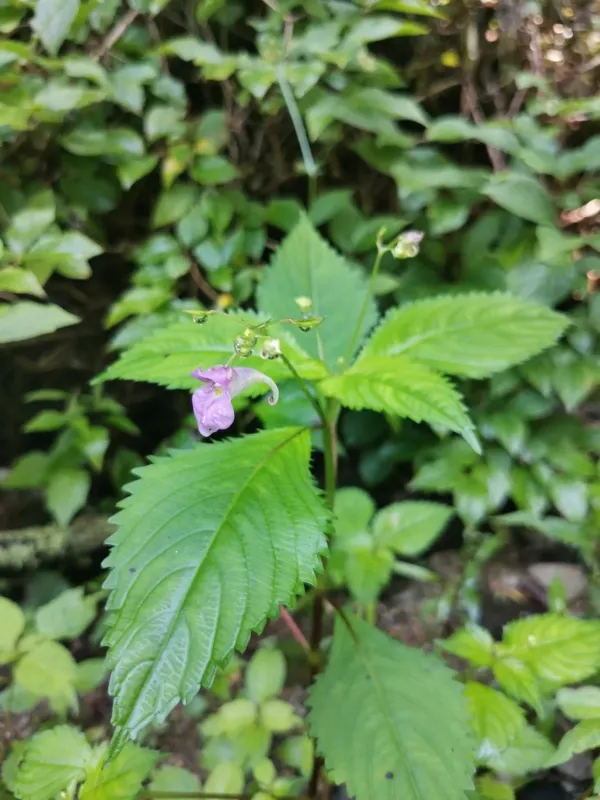
Description
Sowing dates
The sowing of Impatiens furcillata is best performed in early spring, once the soil temperatures have consistently reached at least 15 degrees Celsius. Starting seeds indoors approximately eight weeks before the last frost date ensures a robust root system before transplanting.
Seeds should be sown on the surface of a fine, moist potting medium and lightly pressed down without covering them, as they require light to germinate effectively. Maintaining a consistent temperature between 20 and 22 degrees Celsius is crucial for high germination rates.
Once seedlings have developed their first true leaves, they should be thinned or transplanted into individual containers. This process helps to prevent overcrowding and ensures that each plant receives sufficient light and airflow to support its development.
Acclimatization, or hardening off, is a vital step before moving the plants to their final outdoor location. Gradually increasing their exposure to outdoor conditions over a ten-day period minimizes transplant shock and helps the plants adapt to their new environment.
Direct outdoor sowing is possible in warmer climates, though it requires carefully prepared, fine-tilled soil. Ensuring that the surface is kept consistently moist throughout the germination phase is the most critical success factor when planting directly into the ground.
Growing requirements
Impatiens furcillata thrives in partial to full shade, making it an excellent choice for areas with limited direct sunlight. High humidity and cool, dappled light are essential for maintaining the health and vibrant color of its foliage throughout the summer.
The soil must be well-drained, rich in organic matter, and slightly acidic. Incorporating compost or high-quality peat moss into the planting site improves moisture retention and provides the necessary nutrients for sustained growth.
Regular watering is essential, as this species cannot tolerate drought conditions. However, it is equally important to avoid waterlogging the roots, which can quickly lead to decay. A balanced approach that keeps the soil consistently damp but not saturated is ideal.
Fertilization with a water-soluble, balanced fertilizer should be applied every two to three weeks during the peak growing season. This supports continuous blooming and keeps the plant foliage lush and vigorous during the warmest months.
Good air circulation is necessary to prevent the buildup of humidity around the stems, which can encourage fungal growth. Planting with adequate spacing and keeping the area free of weeds ensures that the plant remains healthy and disease-free.
Main diseases and pests
Spider mites are the primary pest concern for this culture, particularly in hot and dry conditions. Regular misting of the plants can help deter these pests, though persistent infestations may require the application of specialized miticides.
Aphids can frequently colonize new growth, causing curling and stunted development of leaves. Early detection is key; spraying with a mild insecticidal soap is often sufficient to control minor outbreaks without harming the plant.
Gray mold, also known as Botrytis, is a common fungal threat when plants are kept in stagnant, humid environments. Removing affected leaves and improving ventilation through pruning is necessary to stop the spread of this pathogen.
Root rot, driven by soil pathogens such as Pythium, usually occurs in containers or garden beds with poor drainage. Providing excellent drainage and avoiding overwatering are the best defensive measures against these soil-borne threats.
General hygiene in the garden, including the disposal of dead plant material and the disinfection of tools, significantly reduces the risk of disease transmission. Monitoring the crop weekly allows for quick intervention before issues become widespread.