
Impatiens fimbriata
Impatiens fimbriata
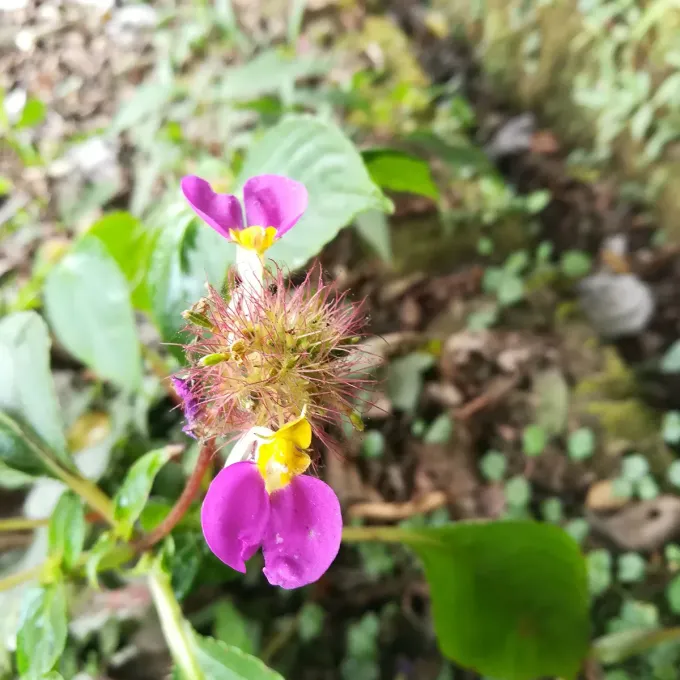
Description
Sowing dates
Impatiens fimbriata is a member of the Balsaminaceae family, known for its delicate and uniquely fringed petals. It is typically grown as a greenhouse ornamental or a seasonal garden plant in temperate regions.
The propagation of this species is primarily achieved through seeds. Sowing should occur in late winter to ensure the plants are well-established before the spring season begins.
Seeds should be sown on the surface of a fine, moist potting medium. They require light to germinate effectively, so they should not be covered with a thick layer of soil.
Maintaining a stable temperature between 20°C and 22°C is essential for successful germination. High humidity levels should be maintained during the early stages of development.
Seedlings are ready for transplanting once they develop their first set of true leaves, ensuring that each plant has sufficient root space for optimal growth.
Growing requirements
Originating from the mountainous regions of East Africa, this plant thrives in environments that mimic its natural forest habitat, characterized by diffused light and high humidity.
Shaded or semi-shaded areas are preferred for cultivation. Exposure to intense midday sunlight should be avoided to prevent scorched leaves and flower dehydration.
The soil must be well-draining, rich in organic matter, and slightly acidic to neutral in pH. A soil mixture with high peat content is usually ideal for this species.
Regular irrigation is vital. The substrate should be kept consistently moist; however, waterlogging must be strictly avoided to prevent root diseases.
Fertilization with a balanced, water-soluble fertilizer applied every two weeks during the growing season encourages vigorous growth and sustained flowering.
Main diseases and pests
Common pests associated with this culture include spider mites and whiteflies, which tend to infest the undersides of leaves, especially in warm, dry environments.
Powdery mildew is a significant fungal threat that thrives in conditions with poor air circulation or excessive humidity levels during cooler periods.
Root rot, caused by overwatering or poor drainage, is a frequent issue that can lead to rapid wilting and the total loss of the plant specimen.
Integrated pest management strategies, including the use of neem oil or insecticidal soaps, are recommended for maintaining plant health.
- Ensuring adequate spacing between plants to improve airflow.
- Removing fallen debris to prevent fungal growth.
- Monitoring leaves regularly for signs of pest activity.