
Hyparrhenia dregeana
Hyparrhenia dregeana
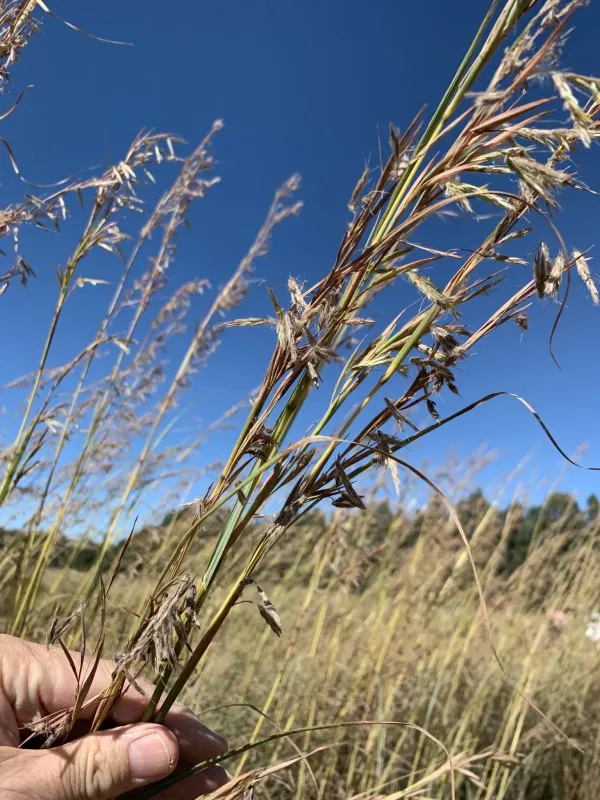
Description
Growing requirements
Hyparrhenia dregeana is a perennial herbaceous plant belonging to the Poaceae family. This robust tufted grass is a key component of African savanna ecosystems, where it grows in dense stands and can reach significant heights during the peak of the growing season.
The species is well-adapted to tropical and subtropical climates, thriving in regions with distinct wet and dry periods. It exhibits high tolerance for various solar radiation levels, preferring open, sun-exposed areas to maximize its photosynthetic capacity and biomass production.
The crop is not overly demanding regarding soil type, although it prefers well-drained loamy or sandy soils. Successful establishment depends on adequate moisture levels during the early growth stages, though the plant possesses a deep root system that helps it survive periods of limited rainfall.
Optimal soil pH for Hyparrhenia dregeana typically ranges from slightly acidic to neutral. The plant is highly sensitive to waterlogging; therefore, selecting sites with good natural or artificial drainage is essential to prevent root rot and ensure healthy physiological development.
In agronomic practice, this grass is prized for its longevity and resilience under grazing pressure. It serves as a vital forage resource in extensive livestock systems, providing substantial amounts of green matter when other seasonal grasses might be less available.
Main diseases and pests
Fungal diseases, including leaf spot and rust, represent a primary threat to the health of Hyparrhenia dregeana, particularly under high humidity conditions. Implementing crop monitoring programs is essential to detect the early signs of infection and maintain canopy vigor.
Pests such as stem-boring insects and root-feeding larvae, including various wireworm species, can cause significant damage. These infestations can weaken the plant architecture, making the entire stand more susceptible to environmental stress and secondary pathogen colonization.
Locust swarms are a major environmental risk in the regions where this species is cultivated. Rapid and large-scale defoliation caused by these migratory pests can lead to significant biomass losses, necessitating integrated pest management strategies where feasible.
Weed competition during the establishment phase can severely stunt growth by depleting nitrogen and water resources. Early season weed control, combined with proper seedbed preparation, is critical to allow the young grass seedlings to establish a competitive root system.
Improper grazing management constitutes an indirect threat, as overgrazing reduces the plant's ability to store carbohydrates in the crown. Establishing a rotation schedule ensures that the plant has sufficient recovery time to maintain its perennial status and natural resistance.