
Hyoseris radiata
Hyoseris radiata
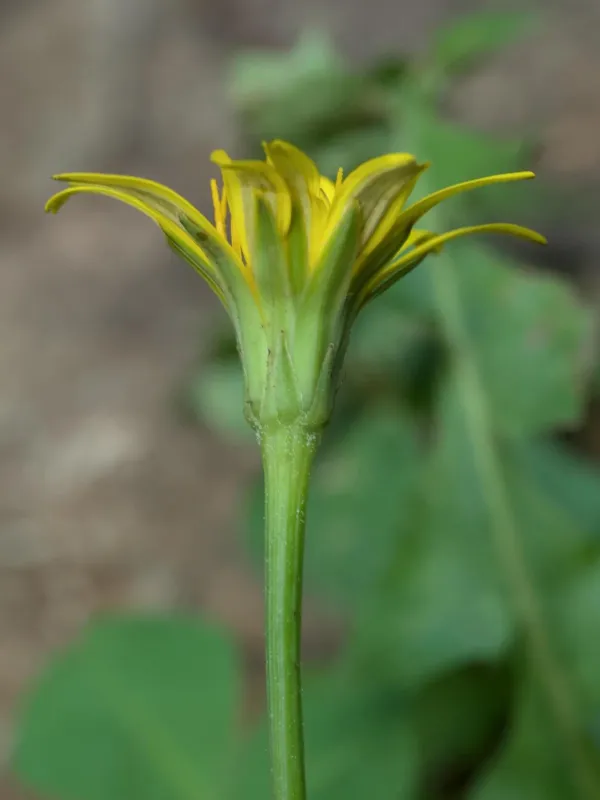
Description
Sowing dates
Hyoseris radiata is a heat-loving crop, making the sowing timing critical for successful establishment. In regions with mild climates, seeds can be sown directly into open soil once the ground has warmed up to at least 12–15 degrees Celsius.
For early production, professional growers often utilize nursery trays. Sowing seeds in a nutrient-rich substrate in late winter or early spring allows plants to develop a strong root system before being transplanted into the field after the danger of frost has passed.
When direct seeding, it is essential to follow a spacing strategy that ensures optimal plant development. A distance of 25–30 centimeters between rows and 15–20 centimeters between individual plants is recommended to allow for full rosette expansion.
The seeds require firm soil contact to germinate successfully. After sowing, they should be lightly covered with fine soil or vermiculite, and the moisture level must be carefully maintained until the emergence of seedlings, as desiccation will stop the process.
The crop exhibits relatively slow early growth, making weed management a top priority. Regular hoeing and shallow cultivation during the first weeks after germination prevent weeds from outcompeting the young, sensitive plants for nutrients and light.
Growing requirements
Belonging to the Asteraceae family, Hyoseris radiata thrives in sunny environments with well-drained, fertile soil. It is highly sensitive to waterlogged conditions, which can quickly lead to root rot and total plant failure.
The ideal soil profile is sandy loam or light silt with a neutral or slightly alkaline pH. Proper aeration of the root zone is vital for the development of healthy, succulent leaves that are the primary commercial product of this plant.
While the plant shows some drought tolerance, consistent irrigation is necessary for high-quality yields. Water stress during active growth causes the leaves to develop a bitter, unpleasant taste and tough texture, significantly reducing their culinary appeal.
Climate requirements align with its Mediterranean origin, preferring mild temperatures with moderate variations. Excessive heat can trigger premature bolting, where the plant shifts energy from leaf production to flower stalk formation.
Incorporating compost or well-rotted manure into the soil before planting ensures a steady release of nutrients. Supplementary nitrogen-based fertilizers are best applied during the vegetative growth phase to encourage lush foliage development.
Yield
The economic value of Hyoseris radiata lies in its tender young leaves, which are harvested for use in fresh salads and culinary preparations. The flavor profile is distinct, often described as piquant and slightly bitter, typical of many wild-harvested greens.
Yield capacity is strongly correlated with proper water management and soil nutrition. With intensive care and frequent harvesting, a single planting can provide multiple cuttings of fresh foliage throughout the growing season.
To maximize yields, it is crucial to harvest the leaves before the plant reaches the mature flowering stage. Consistent harvesting of the outer leaves of the rosette encourages the center of the plant to continue producing new, high-quality foliage.
Post-harvest handling is critical, as the leaves are perishable and prone to wilting. Cooling the produce immediately after harvest and storing it at high humidity levels is necessary to maintain market quality and extend shelf life.
Overall productivity is generally high under favorable environmental conditions. Implementing staggered plantings throughout the spring and early autumn allows producers to maintain a constant supply of fresh greens for the local market.
Main diseases and pests
The primary threats to Hyoseris radiata are fungal pathogens, particularly those triggered by excess soil moisture. Root rot and damping-off are common issues in fields with poor drainage or during prolonged periods of high humidity.
Pests such as slugs and snails represent a major threat, as they are attracted to the succulent, low-growing foliage. Implementing physical barriers, such as copper tape or specialized traps, is often the most effective method for organic production.
Aphids can colonize the underside of leaves, causing curling and stunted growth. Regular monitoring allows for early intervention, using insecticidal soaps or biological controls to protect the crop without leaving harmful residues.
Powdery mildew may occur when temperatures fluctuate significantly or air circulation is poor within the planting area. Ensuring adequate spacing between rows helps maintain a dry, airy canopy, which naturally suppresses the spread of fungal spores.
Adhering to a strict crop rotation schedule is vital to prevent the buildup of soil-borne diseases. Avoiding planting Hyoseris radiata in the same spot for at least three to four years helps break the life cycle of species-specific pests and pathogens.
Harvesting
Harvesting begins once the basal rosette of leaves reaches the desired size, which usually occurs between 45 to 60 days after sowing. The leaves are carefully cut with a sharp, sanitized blade just above the soil surface.
The optimal time for harvest is early in the morning when the plant tissues are most turgid. This practice minimizes stress on the plant and results in a crisper, more premium product that holds up well during transport and display.
After collection, the leaves should be cleaned of any debris, sorted to ensure only high-quality foliage is packaged, and bundled for sale. Using breathable, perforated packaging helps maintain the ideal internal atmosphere for short-term storage.
If seeds are required for future seasons, growers should allow a selection of the most vigorous plants to flower and set seed. The seed heads should be harvested once they turn dry and brown, then threshed and cleaned for storage.
Care should be taken not to harvest during rainy weather, as water on the leaves increases the risk of decay and bacterial growth. Proper post-harvest cooling to just above freezing significantly slows down respiration and preserves freshness.