
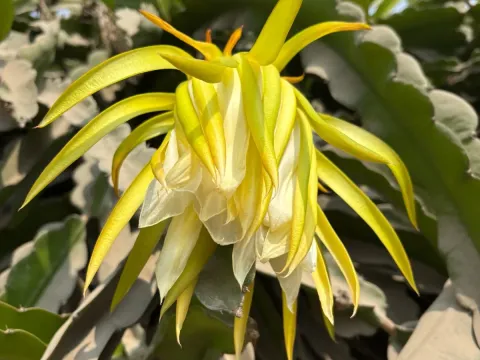
Hylocereus
Hylocereus
Hylocereus is a genus of the Cactaceae family, widely cultivated for its fruit known as pitaya or dragon fruit. Propagation is predominantly vegetative, using cuttings approximately 20–30 cm long, which are left to callus for several days before planting to prevent rot.
What the section contains


Hylocereus
The optimal planting time coincides with the beginning of the growing season when soil temperatures stay consistently above +20 °C. This ensures rapid root development and establishment in the field.
Seed propagation is also possible but less common for commercial orchards. Seeds are sown in a light, well-draining substrate, covered slightly, and kept in a moist, shaded environment to facilitate germination.
As a climbing cactus, Hylocereus requires strong structural support systems such as posts or trellises. These structures mimic the plant's natural habitat where it uses aerial roots to climb trees and rock formations.
Standard planting densities vary but typically involve spacing plants 2.5 to 3 meters apart. This arrangement ensures optimal sunlight exposure and provides sufficient workspace for manual maintenance and harvesting operations.
Hylocereus thrives in tropical and subtropical climates. The plant prefers temperatures between +25 °C and +30 °C. Exposure to temperatures below +10 °C can lead to significant physiological damage and stunted growth.
Soil requirements prioritize excellent drainage. While the plant can grow in various soil types, sandy loam with a pH of 5.5 to 6.5 is ideal. Excessive soil moisture is the primary cause of root and stem decay.
Irrigation management is critical; the soil must be allowed to dry out between watering cycles. During the dormant season, water intake should be significantly reduced to prevent pathogenic soil fungi growth.
Light intensity is a major factor in fruit production. While the plant requires plenty of sun to bloom, areas with extreme solar radiation may require 30–50% shade cloth to prevent skin scorch on the stems.
Balanced fertilization with higher levels of phosphorus and potassium is recommended during the flowering and fruit-setting stages. Micronutrients, especially magnesium and calcium, also play a key role in fruit size and quality.
Yield capacity matures around the 5th year of growth. Once established, Hylocereus can provide multiple harvest cycles annually depending on the cultivar and the specific climate conditions of the region.
Commercial orchards typically expect yields ranging from 10 to 20 metric tons per hectare. Productivity is heavily dependent on the effectiveness of pollination, as many cultivars are not self-fertile.
Night-blooming flowers require specific pollinators like moths or bats. In commercial plantations, manual pollination is frequently employed to ensure consistent fruit set and uniform fruit shape across the orchard.
The development cycle from flowering to harvest takes approximately 30 to 50 days. During this period, consistent moisture management is essential to prevent fruit drop and ensure proper sugar accumulation.
Fruit weight varies significantly based on variety and agricultural practices, often ranging from 200g to 800g per unit. Proper thinning of fruits can lead to larger, more premium-grade individual fruits.
Fungal diseases are the most significant threat to Hylocereus, particularly anthracnose and stem rot, which proliferate in humid or poorly ventilated conditions. Regular inspections are necessary to identify early symptoms.
Common insect pests include mealybugs, aphids, and spider mites. These pests thrive in dry conditions and can sap the plant's vitality, leading to reduced flowering and increased vulnerability to secondary infections.
Good agricultural practices, including sanitizing tools and removing diseased tissue immediately, are the most effective preventive measures. Crop hygiene remains the cornerstone of integrated pest management for this cactus.
Nematodes can also cause severe damage to the root system, leading to stunted plants. Soil solarization or the use of resistant rootstocks may be considered in regions with high nematode pressure.
Chemical control should be used sparingly and only when necessary, keeping in mind the long residual effects on fruit quality. Biological control methods, such as introducing predatory mites, are often preferred.
Harvesting is performed when the fruit changes from green to its full characteristic color (bright pink, red, or yellow). The fruit skin should be slightly soft to the touch, indicating full maturity.
Using sharp shears, the fruit is cut with a portion of the stem attached. Careful handling is required because the fruit skin is delicate and easily bruised, which significantly reduces shelf life and market value.
Harvesting during the early morning hours is ideal, as the fruit temperature is lower, which helps slow down post-harvest respiration and maintains freshness during the transport and storage process.
Post-harvest grading involves sorting fruits by size and quality. Any fruits showing signs of mechanical damage or microbial growth must be discarded immediately to prevent contamination of the rest of the batch.
Storage should be in cool, dry conditions with temperatures around +10...+12 °C. Under these conditions, high-quality dragon fruit can be stored for several weeks, allowing for international market distribution.