
Hylocereus polyrhizus
Hylocereus polyrhizus
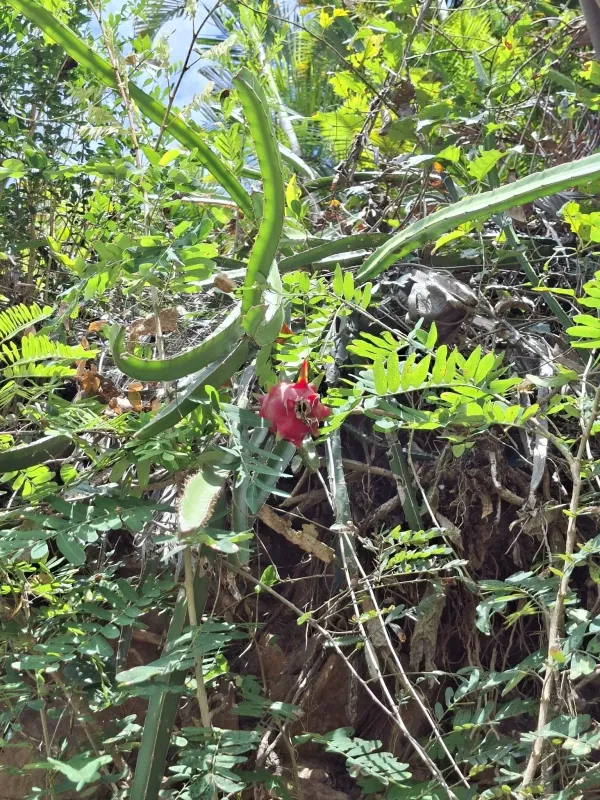
Description
Sowing dates
Hylocereus polyrhizus, commonly known as the dragon fruit, is primarily propagated through stem cuttings to ensure uniform growth and fruit quality.
Cuttings should be selected from healthy, mature stems and dried in a shaded, well-ventilated area for several days to allow the cut end to heal.
The planting process involves placing the cuttings in a substrate that ensures excellent drainage, as the species is sensitive to waterlogging.
Springtime or the start of the warm season is the ideal window for planting, allowing the root system to establish before extreme heat peaks.
Adequate spacing between plants is crucial to facilitate later maintenance, harvesting operations, and proper airflow throughout the plantation.
Growing requirements
As a member of the Cactaceae family, this plant thrives in tropical and subtropical regions with high light requirements for optimal physiological processes.
The species is a climbing epiphyte, meaning it requires strong, durable vertical support systems to hold its heavy stems and facilitate fruit production.
Soil requirements include a loose, well-draining structure with a slightly acidic to neutral pH, enriched with organic matter for better development.
Temperature management is key; the plant prefers a range between 20 and 30 degrees Celsius, avoiding exposure to prolonged frost or extreme cold.
Watering needs should be regulated to mimic seasonal rainfall, avoiding soil saturation which invites root rot and other fungal diseases.
Yield
Commercial yields typically begin to accumulate significantly from the third year onwards, once the plant has developed a strong structural framework.
Fruit production is heavily influenced by the availability of direct sunlight, which dictates the rate of photosynthesis and energy allocation to fruits.
Productive plantations can yield several tons per hectare, with multiple flowering cycles occurring throughout the year depending on environmental consistency.
Strategic pruning of secondary stems allows the plant to focus nutrients on primary fruiting branches, thereby increasing overall crop quality.
Balanced fertilization, particularly with potassium-rich inputs during the fruit development stage, significantly enhances sweetness and fruit size.
Main diseases and pests
The most common disease threats include anthracnose and stem rot, often exacerbated by high humidity levels and poor circulation within the canopy.
Pest pressures primarily come from mealybugs, scales, and aphids, which can severely weaken the plant by feeding on its sap-rich tissue.
Regular monitoring of the stem epidermis and flower buds is necessary for early detection of infestations, allowing for timely biological or chemical control.
Good agricultural practices, such as removing infected parts and maintaining cleanliness, are the primary defenses against disease spread in the field.
Root rot, often caused by poor drainage, remains the most significant threat to the overall longevity of a Hylocereus polyrhizus plantation.
Harvesting
Harvesting is labor-intensive as it must be performed manually to maintain the structural integrity of the delicate skin of the dragon fruit.
Fruits are harvested when they reach full color intensity, indicating maturity and the proper balance of sugars within the flesh.
Using sharp, sanitized tools for cutting the peduncle is essential to prevent tissue tearing, which could otherwise lead to post-harvest decay.
Immediate post-harvest cooling is recommended to lower the internal temperature of the fruit and extend its shelf life during storage and distribution.
Proper sorting based on weight and physical condition ensures that the fruit maintains high market value and withstands the logistics of transport.