
Hylocereus triangularis
Hylocereus triangularis
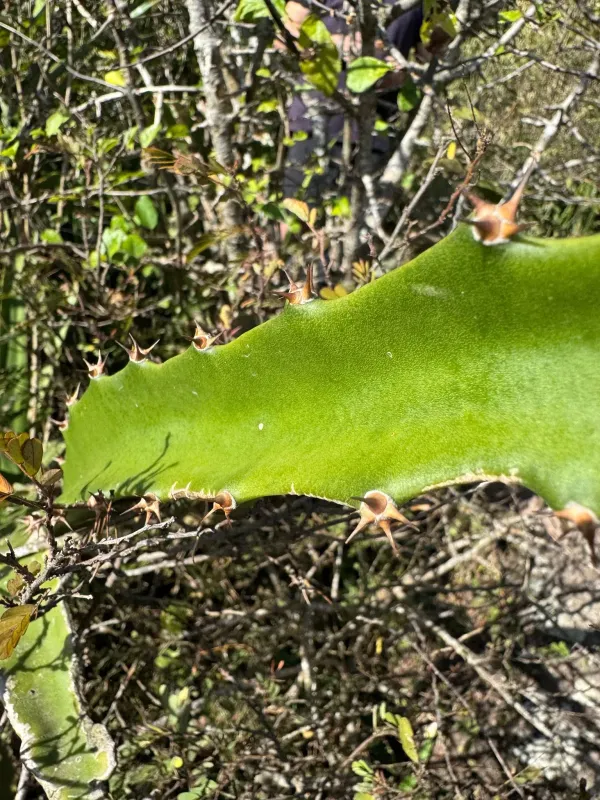
Description
Growing requirements
Hylocereus triangularis is a perennial vine-like cactus belonging to the Cactaceae family. In its natural habitat, the plant exhibits an epiphytic or semi-epiphytic growth habit, utilizing trees or rocky outcrops as structural support for its robust, three-ribbed stems.
The crop originates from the Caribbean islands and surrounding tropical regions. Successful cultivation requires a stable tropical climate characterized by high humidity levels and a lack of extreme temperature fluctuations, as even brief exposure to frost can be lethal to the plant's vegetative tissue.
Soil requirements favor well-drained, loose substrates enriched with organic matter. The plant is highly sensitive to waterlogging; therefore, commercial plantation setups must incorporate effective drainage systems and utilize raised planting beds to prevent root asphyxiation.
A primary agronomic practice involves the installation of structural supports. Given the intensive growth rate of these vines, using trellis systems is essential to optimize light interception, which is a critical factor for the initiation of flower buds and the development of high-quality fruit.
Exposure to intense but filtered sunlight is optimal. Direct midday sun in tropical conditions can induce sunburn on the stem epidermis, so many farmers utilize shade cloth to modulate the spectrum and intensity of light reaching the canopy.
Yield
Crop yield is directly influenced by planting density and pollination efficiency. Under commercial conditions, the productive phase typically begins 3-4 years after cuttings are planted, with peak fruit production capacity reached between 6 and 7 years of plantation age.
Commercial utilization focuses on the harvest of its fruit, commonly referred to as pitaya. Although H. triangularis is less widespread in mass cultivation than H. undatus, its fruits are valued for their specific flavor profile, high content of B and C vitamins, and antioxidant properties.
Beyond fresh consumption, the fruit is in demand for food processing sectors for the production of juices, jams, and natural food coloring agents. Furthermore, the plant's seeds contain essential fatty acids that are increasingly sought after by the pharmaceutical and cosmetic industries.
To maximize marketable yield, farmers perform fruit thinning operations. Removing excessive buds allows the plant to allocate its resources toward developing larger, sweeter fruits, which significantly improves their market value and durability during transport.
Consistent yields require regular fertilization with potassium and phosphorus during the vegetative cycle. Maintaining a balance of micronutrients helps prevent fruit cracking and enhances the post-harvest shelf life of the produce.
Main diseases and pests
The primary threats to Hylocereus cultivation involve fungal diseases that flourish in high-humidity environments. Root rot and stem spot pathogens are frequent contributors to yield reduction, making strict moisture control a central component of preventative management.
Among pests, mealybugs and scale insects represent the most significant threats. These insects tend to colonize the crevices between stem ribs, extracting cell sap and compromising the plant's natural defenses, which subsequently facilitates the entry of secondary pathogens.
Plantations may also face mite infestations, particularly during prolonged dry spells. The damage caused by mites is characterized by the appearance of rusty, necrotic patches on the stem surface, which impairs the plant's overall photosynthetic capacity.
Commercial pest control strategies prioritize the use of biological agents and beneficial insects, ensuring that the fruit remains residue-free. Chemical insecticides are reserved for targeted, emergency applications only.
- Ensuring adequate plantation aeration
- Timely pruning of damaged plant segments
- Strict disinfection of horticultural tools
- Regular monitoring of pest populations