
Water pennywort
Hydrocotyle umbellata L.
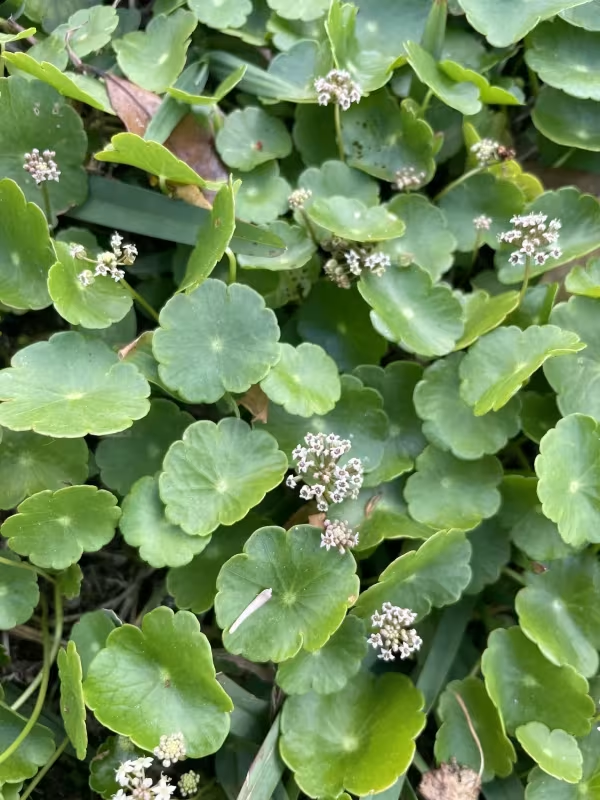
Description
Growing requirements
Hydrocotyle umbellata, commonly known as water pennywort, is a perennial herbaceous plant belonging to the Araliaceae family. It is native to the Americas and is widely distributed in wetlands, swamps, and along the banks of various water bodies.
The botanical structure consists of distinctive peltate, shield-shaped leaves that arise from creeping stolons. The plant is highly adaptive and can spread rapidly across wet soil surfaces or float on the water, making it a vigorous ground cover in suitable habitats.
Optimal growth for water pennywort requires consistently moist to saturated soil conditions. The plant performs exceptionally well in aquatic or semi-aquatic environments, where it can utilize dissolved nutrients efficiently through its shallow root system.
The climate requirements include a warm, humid environment with protection from frost. Temperatures ranging between 18°C and 28°C support active growth, while exposure to cold can significantly inhibit the development and lead to dormancy or death of the foliage.
In terms of agricultural and horticultural use, this species is highly valued for water gardening. It serves as an excellent oxygenator in small ponds and is a popular choice for vertical gardens and hydroponic setups due to its high demand for water and nutrients.
Main diseases and pests
The primary threats to water pennywort include fungal infections such as root rot or leaf spot, which typically appear when the water quality is poor. Maintaining adequate water circulation is crucial to prevent the accumulation of pathogens.
Common pests include aphids and spider mites, especially when the plant is grown in drier conditions or in greenhouses. Integrated pest management, focusing on maintaining humidity and physical removal of infested leaves, is usually sufficient to manage these populations.