
Javanese pennywort
Hydrocotyle javanica Thunb.
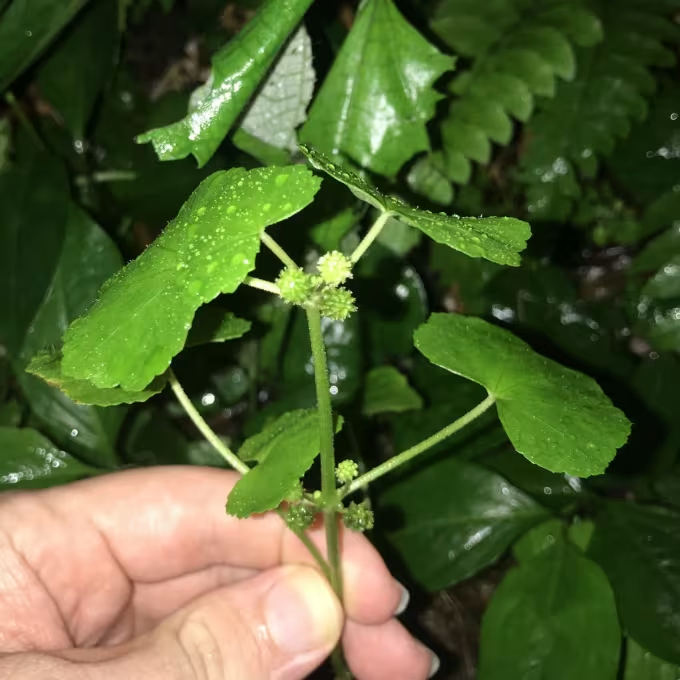
Description
Sowing dates
Hydrocotyle javanica, commonly known as Javanese pennywort, is a perennial creeping herb belonging to the Araliaceae family. It is primarily propagated through vegetative means, such as stem cuttings or division, which allows for consistent plant quality.
Planting should take place in early spring once the risk of frost has passed. The soil must be prepared to be moist and rich in organic matter, providing a firm base for the nodes of the creeping stems to take root.
For large-scale cultivation, seedlings can be started in controlled indoor environments. Seeds should be sown in a light, sterile medium with high humidity to ensure germination, as they are sensitive to environmental fluctuations.
Spacing is essential for optimal growth; plants should be spaced at intervals that allow the foliage to form a canopy without overcrowding, which helps in weed suppression and reduces competition for nutrients.
Regular maintenance during the establishment phase includes monitoring moisture levels and ensuring that the young plants are not exposed to harsh, direct sunlight that might impede their initial development.
Growing requirements
The Javanese pennywort originates from tropical and subtropical climates, necessitating high moisture levels for healthy growth. It thrives in humid conditions and requires consistent watering, especially during dry spells.
The ideal soil profile is fertile, well-draining, yet moisture-retentive, with a slightly acidic to neutral pH. Incorporating compost or well-rotted manure during site preparation provides the necessary nutrients for sustained vegetative growth.
While the plant can tolerate varying light conditions, it prefers dappled or partial shade. Exposure to intense midday sun often results in scorched leaves and reduced essential oil production in the foliage.
Temperature management is critical; the species does not tolerate freezing temperatures. In cooler regions, cultivation should be restricted to greenhouse environments or indoor containers to protect the plant during winter.
The plant benefits from moderate nitrogen-based fertilizers during the active growth season. However, avoid excessive application, which can lead to lush but weak growth prone to lodging and pest attacks.
Main diseases and pests
Root rot is the most significant threat to Javanese pennywort, typically caused by overwatering or poorly drained soil. Proper soil structure and drainage systems are vital to prevent stagnant water around the roots.
Common pests include aphids and spider mites, which thrive in greenhouse conditions with poor ventilation. Regular inspection of the undersides of the leaves is recommended to catch infestations early.
Slugs and snails can cause significant damage to the soft, succulent foliage. Biological control methods or physical barriers are often sufficient to manage these mollusks in a small to medium-scale planting.
Fungal diseases like leaf spot may occur if humidity remains too high without adequate airflow. Improving air circulation within the canopy through proper thinning and pruning is an effective preventative measure.
Maintaining high hygiene standards in the field, including the removal of debris and infected plant parts, significantly reduces the pressure from soil-borne pathogens and insect pests.
Harvesting
Harvesting is performed by selectively cutting the stems and leaves once the plants have established a thick, healthy mat. Frequent, light harvests encourage the plant to produce new shoots, maintaining high yields.
The aerial parts of the plant are harvested for their medicinal and culinary properties. It is important to use clean, sharp tools to make smooth cuts, which promotes faster healing and regrowth of the plant.
Post-harvest management involves quick cooling and storage in cool, shaded environments to preserve the freshness and biochemical integrity of the leaves, as they wilt rapidly after harvest.
Drying for storage should be done in a well-ventilated, dark area to maintain the herb's aroma and medicinal qualities. Quality control at this stage is essential to ensure the product meets market standards.
Javanese pennywort is highly valued for its use in herbal medicine and as a nutritious culinary ingredient in many Asian cuisines, making careful handling and processing a priority for commercial growers.