
Interspecific hybrids of stone fruits
Hybrids between Prunus salicina, P. armeniaca and P. persica
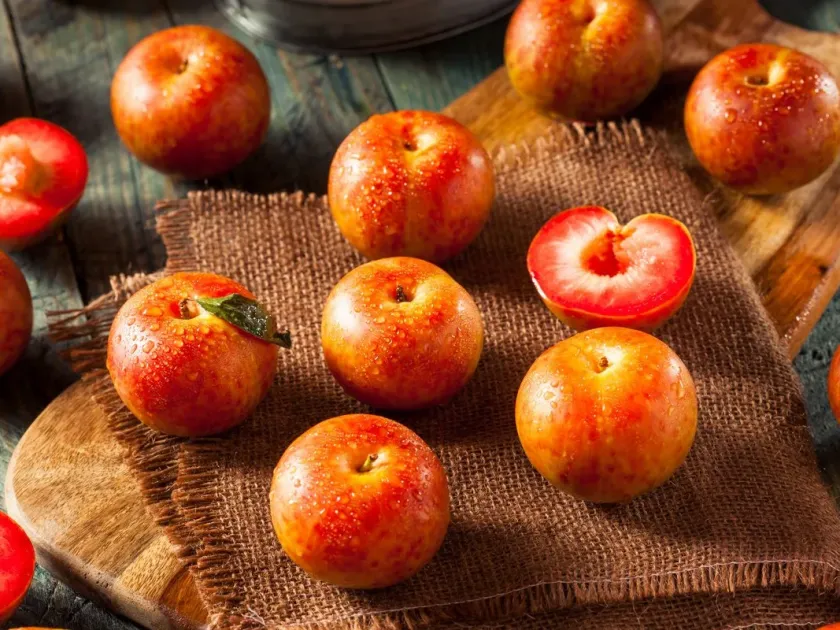
Description
Sowing dates
Interspecific hybrids such as plumcots (plum × apricot) and apriums are primarily propagated through budding or grafting onto clonal rootstocks to ensure varietal consistency. Planting should be carried out in early spring before sap flow or in late autumn, ensuring the plant establishes before severe freezes.
Preparation of the planting site is crucial; pits should be excavated to approximately 80x80x60 cm. Incorporating organic matter, such as well-rotted manure, along with phosphorus and potassium fertilizers, provides the necessary nutrients for robust initial growth of the root system.
The spacing between trees typically ranges from 3 to 4.5 meters, depending on the vigor of the rootstock and the chosen pruning system. Because many hybrids are self-sterile, it is essential to plant compatible pollinator varieties with overlapping bloom periods to ensure high yield.
Proper irrigation during the first season is vital for survival. The area around the trunk should be kept free of weeds to minimize competition for nutrients and moisture, allowing the young tree to dedicate its energy to establishing a healthy scaffold structure.
Pruning for structure and shape should be performed annually during the dormant season. A well-managed canopy ensures optimal sunlight penetration to the center of the tree, which is a fundamental requirement for producing high-quality, evenly ripened fruit.
Growing requirements
Belonging to the Rosaceae family, these hybrids require full sun exposure and protection from cold, drying winds. They thrive in well-draining loamy or sandy-loam soils with a neutral pH, as waterlogged conditions can lead to root rot and other physiological disorders.
Climate requirements vary depending on the hybrid's genetic composition. While many are more resilient than peaches, their early flowering habit necessitates protection from spring frosts. Selecting a site with good air drainage can help mitigate frost damage to blossoms.
Soil management must focus on high aeration and drainage. In areas with high groundwater levels, planting on raised beds is highly recommended to protect the root crown from saturation and promote healthier root development.
Fertilization schedules should prioritize nitrogen in early spring to support vegetative growth and potassium-phosphorus blends in mid-to-late summer to harden the wood before winter. Micronutrient applications, specifically boron, can improve fruit set and quality.
Monitoring the soil's condition and maintaining a balanced nutrient profile is key to managing stress. Healthy trees are better equipped to resist pests and pathogens, making consistent soil care the foundation of successful interspecific hybrid production.
Yield
Commercial yields typically begin in the third to fourth year after planting. The unique genetic combination results in fruit that often exhibits superior sugar content and complex flavor profiles compared to traditional stone fruits, making them highly desirable for specialty markets.
Yield stability depends heavily on the presence of pollinating varieties. When successful pollination occurs, these trees can produce abundant crops, requiring careful management of the fruit load to prevent branch breakage and ensure large, high-quality fruit size.
Fruit characteristics can be diverse, ranging from smooth-skinned (plum-like) to fuzzy (peach-like) textures. The aesthetic appeal and distinct flavor profiles allow growers to market these fruits as premium, high-value seasonal items.
Beyond fresh consumption, these hybrids are excellent for culinary applications, including preserves, drying, and juices. Their high sugar content and unique acidity make them a preferred ingredient for artisanal jam and pastry production.
Fruit thinning is a standard practice to enhance quality. By removing excess fruitlets early in the season, growers ensure that the remaining fruit reaches its full potential in size, flavor, and texture, which is critical for achieving top market prices.
Main diseases and pests
Disease management is centered around preventing fungal infections such as Monilinia (brown rot) and Wilsonomyces (shot-hole disease). An integrated pest management plan, including copper-based sprays in spring and autumn, is standard for maintaining tree health.
Insects like the Oriental fruit moth and various aphids represent significant threats to yield. Using pheromone traps for monitoring and applying timely insecticide treatments or biological controls is necessary to keep infestation levels below the economic threshold.
Verticillium wilt can be a concern if the site was previously used for solanaceous crops like tomatoes or potatoes. Maintaining a strict crop rotation and ensuring clean nursery stock are essential preventative measures to avoid soil-borne pathogen outbreaks.
Protecting the tree trunk from sunscald is vital, particularly in regions with significant winter temperature fluctuations. Applying white latex-based paint to the trunk during late autumn helps reflect sunlight and prevents the bark from splitting.
Sanitation practices, such as removing mummified fruit and pruning out dead or diseased wood, are the most effective ways to reduce pathogen inoculum in the orchard. A clean environment significantly reduces the pressure from pests and diseases over the long term.
Harvesting
Harvesting should be performed in multiple passes as fruit ripens unevenly. For optimal flavor, fruit should be picked when it reaches the characteristic color, though it should be handled carefully to avoid bruising the delicate skin.
For wholesale distribution, fruits are typically harvested at a slightly earlier stage of ripeness. Post-harvest cooling to near-zero temperatures is crucial for maintaining fruit firmness and extending the shelf life of the produce in storage.
Transporting these hybrids requires careful packaging to prevent mechanical damage. If managed correctly, the fruit maintains its quality well, allowing for broader distribution and longer marketing windows compared to highly perishable stone fruits.
Post-harvest care involves a final irrigation and nutrient application to replenish the tree's reserves before winter dormancy. This helps ensure vigorous regrowth and flower bud development for the following growing season.
Final fruit quality is greatly influenced by weather conditions before the harvest. Growers must monitor environmental factors closely, as excessive rain can sometimes lead to skin cracking in certain varieties, necessitating protective measures such as orchard covers if feasible.