
Plumcot
Hybrids between Prunus salicina Lindl. and Prunus avium (L.) L.
Description
Growing requirements
The plumcot is an interspecific hybrid derived from a cross between the Japanese plum and the apricot (Prunus salicina × Prunus armeniaca), belonging to the Rosaceae family. These trees are known for their vigorous growth and unique fruit flavor profiles.
For optimal growth, plumcots require full sun exposure and well-draining soil. They are generally adaptable to various soil types but thrive best in loamy, nutrient-rich earth with a near-neutral pH level to support robust root development.
Proper water management is essential; the trees require consistent moisture during the growing season but are intolerant of waterlogged soil conditions. Installing a drip irrigation system is often the most effective way to ensure healthy development and prevent root issues.
Agricultural practices require careful canopy management. Annual pruning is necessary to maintain an open structure, which promotes good airflow and prevents the buildup of humidity within the foliage, thereby reducing the risk of fungal infections.
Fertilization regimes should prioritize balanced nutrient supply. Nitrogen-rich applications are best suited for early spring to support vegetative growth, while phosphorus and potassium applications in the fall aid in structural hardening and winter hardiness.
Main diseases and pests
Common stone fruit diseases, such as brown rot (Monilinia) and bacterial spot, represent the main threat to plumcot health. Preventive fungicide spraying schedules and removing mummified fruits from the tree are critical management steps.
Insect pests, including aphids and fruit moths, can cause significant crop damage if not managed early. Monitoring for signs of infestation and utilizing integrated pest management strategies are recommended to maintain high fruit quality.
Harvesting
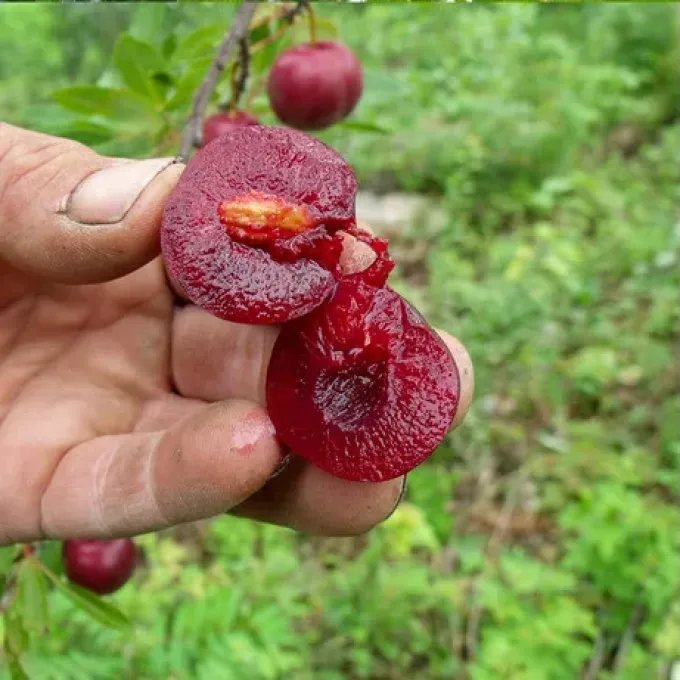
Plumcots are typically harvested mid-to-late summer. The fruit is known for its firm skin and juicy, flavorful flesh, making it a desirable crop for both fresh market sales and home gardening enthusiasts.
Determining the harvest time depends on the specific variety, though most plumcots reach peak sweetness when slightly softened. Careful hand-picking ensures the fruits remain undamaged, allowing for a better shelf life and improved culinary utility.