
European dwarf cherry
Hybrids between Prunus fruticosa Pall. and Prunus cerasus L.
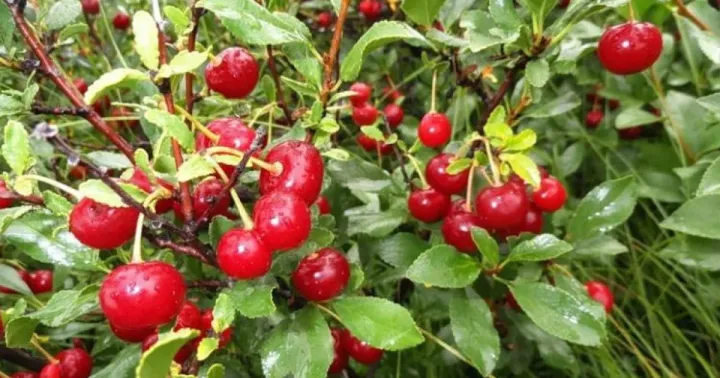
Description
Growing requirements
The European dwarf cherry (Prunus fruticosa), also known as the steppe cherry, belongs to the Rosaceae family. It is a resilient, deciduous shrub naturally adapted to the steppe and forest-steppe regions of Eurasia, recognized for its extreme cold hardiness and drought tolerance.
Botanically, this plant is characterized by a suckering growth habit, often forming dense thickets. Its ability to thrive in harsh environments makes it an important species for breeding hybrids that combine the robust nature of the steppe cherry with the high fruit quality of common cherry varieties.
The crop thrives in well-drained, nutrient-rich soils with a neutral or slightly alkaline pH. It performs exceptionally well in sunny locations and requires sufficient space for its lateral root development to ensure longevity and consistent productivity over many years.
Regarding climate, the plant requires significant chilling hours in winter to break dormancy effectively. It is highly adaptable but dislikes heavy clay soils that are prone to waterlogging, as this increases the risk of root rot and reduces overall plant vigor.
Agronomic management involves regular thinning of root suckers and pruning of older branches to encourage new, fruit-bearing wood. Balanced fertilization with nitrogen, phosphorus, and potassium supports both vegetative growth and the development of high-quality fruit buds.
Yield
The yield of the steppe cherry is consistent under favorable conditions. A mature, well-maintained shrub can produce significant quantities of small, tart cherries, typically yielding between 5 to 10 kilograms per plant, depending on the specific cultivar and local environmental factors.
Main diseases and pests
Common diseases affecting this crop include cherry leaf spot (Blumeriella jaapii) and brown rot, which can severely impact yield and foliage health. Implementing a rigorous sanitary program, including the removal of mummy fruits and infected branches, is essential for control.
Pests such as cherry fruit fly and various aphids frequently infest the plants. Integrated Pest Management (IPM) strategies, including pheromone traps and timely applications of organic or synthetic insecticides, are recommended to protect the crop during the growing season.
Harvesting
Harvesting is typically done manually once the fruits reach full maturity, indicated by a deep, dark color and a balanced sugar-to-acid ratio. Due to their small size, the cherries are best harvested with stems to maintain quality during storage and processing.