
Cerapadus
hybrids between Prunus cerasus and Prunus maackii
Description
Growing requirements
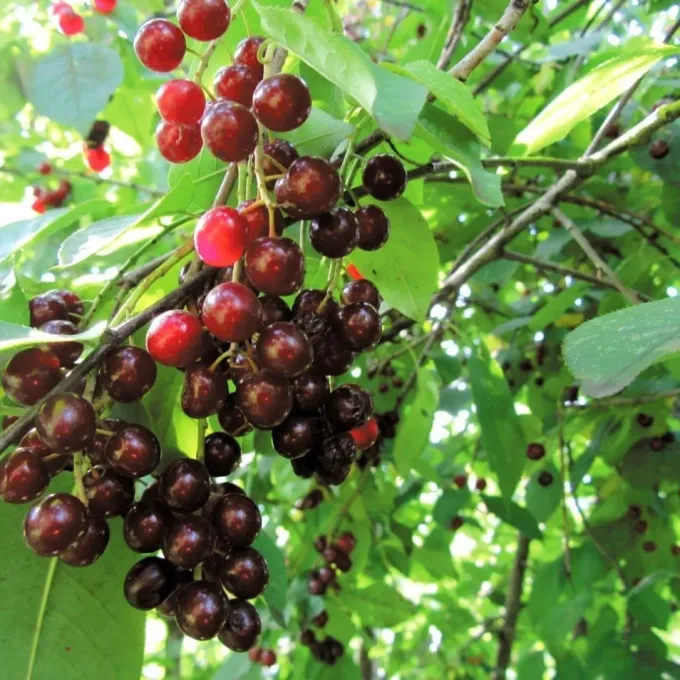
Cerapadus is an intergeneric hybrid resulting from the cross between the sour cherry (Prunus cerasus) and the Amur chokecherry (Prunus maackii). It belongs to the Rosaceae family and is known for its remarkable winter hardiness and vigorous growth habit.
Originating from breeding programs aimed at improving cold resistance, the cultivar is widely distributed in regions with harsh winters where standard stone fruits struggle to survive.
Regarding climate, Cerapadus excels in temperate and cold zones. It is highly resistant to late spring frosts, which often damage the blossoms of less hardy fruit species.
For optimal growth, it requires well-drained, fertile soil. While it is tolerant of various soil types, maintaining a neutral pH is recommended for better nutrient uptake and tree longevity.
Cultivation practices involve regular pruning to manage its vigorous canopy and fertilization schedules based on soil testing to ensure a balanced development of the root system.
Main diseases and pests
One of the primary benefits of Cerapadus is its superior resistance to fungal pathogens, specifically cherry leaf spot (Coccomyces hiemalis), compared to traditional cherry cultivars.
However, it remains susceptible to common pests like aphids and curculios, which require monitoring during the active growing season to prevent foliage and fruit damage.
In humid microclimates, proper spacing between trees is crucial to promote air circulation and prevent the development of blossom blight or fruit rot.
Integrated pest management strategies, such as using pheromone traps and biological controls, are highly effective in maintaining tree health without excessive chemical intervention.
Consistent monitoring and early detection of pest symptoms are the best ways to ensure a high-quality harvest and maintain the vigor of the orchard.