
Hybrids between Prunus cerasus and Prunus canescens
Hybrids between Prunus cerasus and Prunus canescens
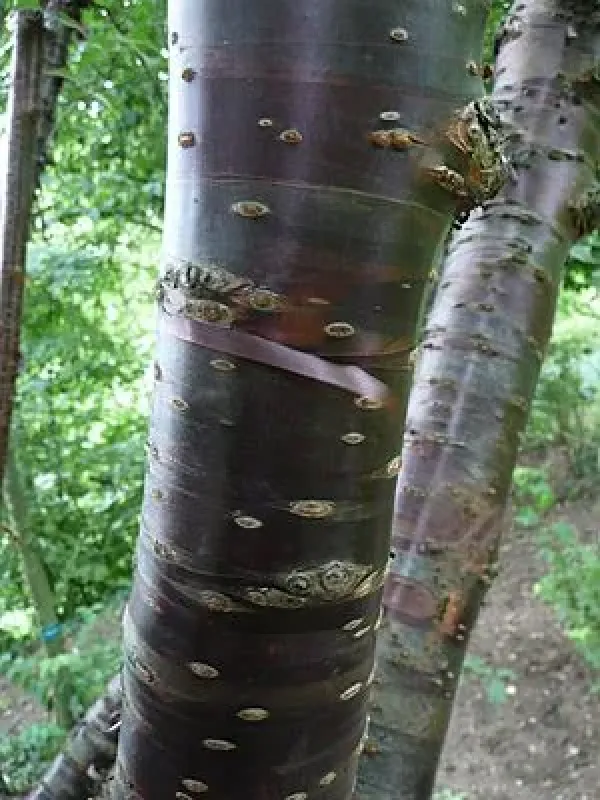
Description
Growing requirements
Hybrids between the sour cherry (Prunus cerasus) and the grey cherry (Prunus canescens) represent an important genetic pool within the Rosaceae family. These hybrids are developed to combine the high fruit quality and productivity of cultivated cherries with the robust physiological traits, such as drought tolerance and compact growth habit, derived from the wild Prunus canescens species.
Originating from research into stress-tolerant rootstocks and cultivars, these hybrids are particularly well-suited for regions where soil conditions are less than optimal. The genetic contribution of Prunus canescens provides a high degree of hardiness, enabling the trees to withstand harsh winters and variable spring temperatures more effectively than many standard sour cherry varieties.
Soil requirements focus on well-drained, fertile sites. These plants demonstrate high adaptability to varying textures, though they perform best in sandy loams with a neutral pH level. Proper site selection is vital, as these hybrids, like most stone fruits, are sensitive to anaerobic soil conditions and waterlogging.
Climatic requirements involve moderate temperate zones where the trees can undergo a proper winter chilling period. They require full sun exposure to maximize photosynthetic activity and fruit sugar content. In regions with high spring frost risks, site elevation and air drainage are critical factors for successful blossom survival.
Agronomic management includes systematic pruning to maintain an open canopy structure, which facilitates light penetration and airflow. Fertilization strategies should be soil-test based, focusing on the macro-nutrient requirements during the flowering and fruit-set stages to ensure vigorous development and long-term tree health.
Main diseases and pests
The primary pathological concerns for these hybrids include typical Rosaceae diseases such as cherry leaf spot (Blumeriella jaapii) and brown rot (Monilinia spp.). Regular monitoring and preventative fungicidal programs are essential to protect the canopy and preserve yield quality throughout the growing season.
Insect pests, most notably the European cherry fruit fly, can cause significant damage to the fruit. Integrated Pest Management (IPM) practices, including the use of sticky traps and targeted insecticide applications, are standard in commercial orchards to maintain high levels of pest suppression.
Winter damage, including bark splitting and rodent gnawing, poses a physical threat to young trees. Protective measures such as white-washing trunks or installing mechanical guards are recommended during the establishment years to prevent permanent structural damage.
Root system health must be safeguarded against fungal pathogens like Phytophthora, especially in heavy or poorly drained soils. Avoiding over-irrigation and ensuring optimal site preparation are the best methods to minimize the risk of crown and root rot diseases.
General orchard sanitation, including the removal of mummified fruits and diseased branches, is highly effective in reducing primary inoculum levels for the following season, contributing to overall orchard hygiene and disease control.