
Interspecific plum hybrids
hybrids between Prunus cerasifera Ehrh., Prunus domestica L. and Prunus salicina Lindl.
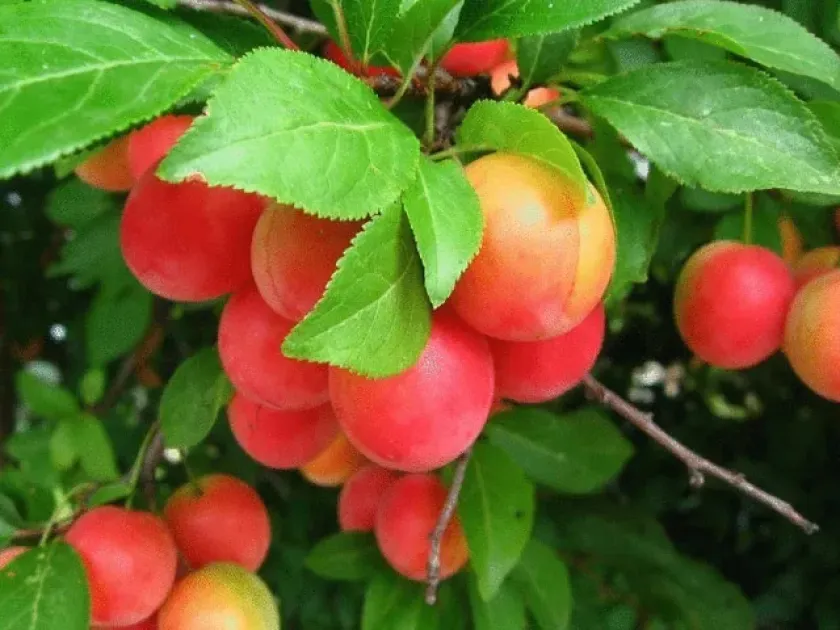
Description
Growing requirements
Interspecific plum hybrids, resulting from crosses between Prunus cerasifera, Prunus domestica, and Prunus salicina, belong to the Rosaceae family. These varieties are highly valued for their ability to thrive in diverse climatic conditions while producing high-quality, flavorful fruit.
Optimal growth requires well-drained, fertile soil with a pH ranging from 6.0 to 7.5. These hybrids are particularly sensitive to waterlogging; therefore, planting them on slightly elevated terrain or creating drainage channels is essential for long-term tree health.
They require full sun exposure to ensure proper fruit development and sugar accumulation. Sufficient spacing between trees, typically 4–5 meters, is necessary to prevent overcrowding and to ensure that all parts of the canopy receive enough light and air circulation.
Interspecific hybrids generally exhibit higher vigor compared to traditional plum cultivars. Consistent irrigation is vital during the fruit set and ripening phases, especially during prolonged dry spells, to prevent premature fruit drop and ensure high yields.
Regular maintenance pruning is critical for these hybrids, as they often produce vigorous shoot growth. Training the tree to an open-center vase shape helps manage height, improves sunlight penetration, and makes harvesting more efficient.
Main diseases and pests
Brown rot (Monilinia spp.) represents one of the most significant threats to interspecific hybrids, particularly in humid regions. It infects blossoms and fruit, requiring strict sanitation and preventive fungicide applications to manage effectively.
The plum curculio is a major insect pest that feeds on fruit, causing internal damage and premature drop. Regular monitoring using trap trees or pheromone traps is recommended to determine the timing for necessary protective treatments.
Bacterial spot is another challenge that can weaken trees and affect fruit quality. It is typically managed through careful selection of resistant varieties and the avoidance of sprinkler irrigation that wets the foliage for extended periods.
Aphids can cause significant stress to young trees by curling leaves and promoting sooty mold growth. Early detection and treatment during the spring vegetative growth phase are key to preventing widespread outbreaks.
- Pruning to remove any infected or dead limbs annually.
- Applying dormant oil sprays to manage overwintering pests.
- Ensuring adequate orchard hygiene by removing mummified fruit.