
Hybrids of sweet cherry and Prunus pseudocerasus
hybrids between Prunus avium and Prunus pseudocerasus
Description
Growing requirements
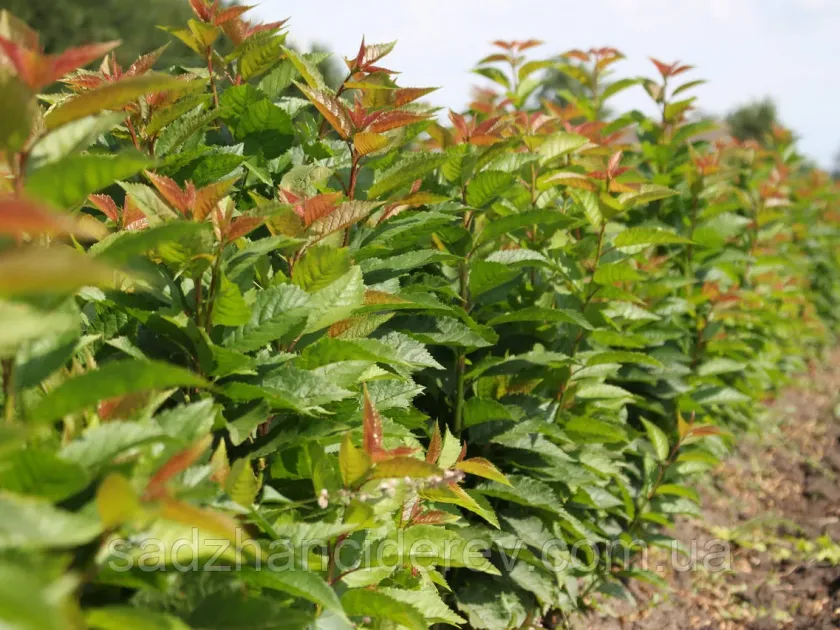
Hybrids between sweet cherry (Prunus avium) and the false cherry (Prunus pseudocerasus) are horticultural marvels primarily valued for their potential as clonal rootstocks. Belonging to the Rosaceae family, these hybrids exhibit vigorous growth habits and provide excellent compatibility with various scion cultivars used in intensive fruit farming.
These plants thrive in deep, well-drained loamy soils that possess good water-holding capacity. One of their most significant agronomic advantages is their tolerance to soil moisture, which often exceeds that of standard sweet cherry rootstocks, making them suitable for sites prone to seasonal waterlogging.
Climate requirements involve moderate temperate zones where early spring frosts are not excessively severe. While Prunus pseudocerasus originates from East Asia, the resulting hybrids are typically bred to combine this adaptation with the European climate's specific humidity levels, ensuring stable productivity across multiple seasons.
Crop management focuses heavily on pruning and thinning. Since these hybrids can be quite vigorous, systematic pruning is necessary to maintain an open canopy structure, which ensures sunlight penetration to the center of the tree, significantly improving fruit quality and coloration.
Nutrient requirements are high, especially during the establishment phase. Balanced fertilization programs that include nitrogen for vegetative growth and potassium for fruit development are essential. Organic amendments like composted mulch are highly recommended to maintain soil biological activity and moisture retention.
Main diseases and pests
The primary pathological threats include cherry leaf spot (Blumeriella jaapii) and brown rot (Monilinia spp.), which can decimate foliage and fruit yields if left unmanaged. Integrated pest management, including fungicide application programs, is vital for the longevity of the orchard.
Pest issues frequently involve aphids and fruit flies, which can compromise both tree vigor and marketability of the harvest. Monitoring populations via pheromone traps and applying biological controls early in the season are the best practices for maintaining a healthy and productive plantation.