
Hybrids of apricot, cherry plum and Bessey cherry
Hybrids between Prunus armeniaca, Prunus cerasifera and Prunus pumila var. besseyi
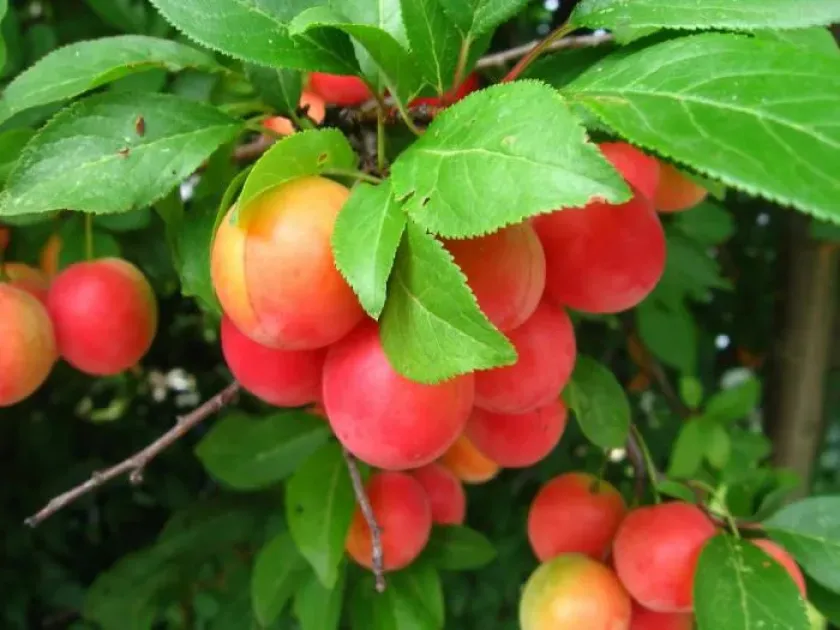
Description
Sowing dates
Planting these interspecific hybrids is best performed in early spring before bud break to ensure the root system is well-established before the hot summer months.
Autumn planting is also feasible in regions with mild winters, provided the trees have sufficient time to settle before the ground freezes.
Selecting a sunny location with well-drained soil is crucial, as these hybrids thrive in open, ventilated areas that prevent excessive moisture accumulation.
Proper spacing, typically 3 to 4 meters apart, is essential to allow for crown development and to facilitate better air circulation, reducing the risk of fungal infections.
Always ensure the graft union remains well above the soil level to prevent scion rooting and to protect the tree from potential bark decay in wetter soil conditions.
Growing requirements
These hybrids belong to the Rosaceae family and are valued for their exceptional winter hardiness and adaptability to various soil types, inherited from their parent species.
They perform well on sandy and loamy soils, making them an excellent choice for orchards where other stone fruits might struggle due to poor nutrient levels.
While the trees exhibit drought tolerance, consistent moisture during the fruit swelling phase significantly improves both the size and the quality of the final harvest.
A balanced fertilization program, applied in early spring and mid-summer, helps maintain tree vigor and supports the metabolic processes required for fruit production.
Protection from late spring frosts is beneficial, as the early blooming period typical for these hybrids can sometimes be interrupted by sudden temperature drops.
Yield
One of the primary benefits of these hybrids is their high early productivity, often bearing fruit within a few years of planting in the permanent orchard.
The fruit offers a complex flavor profile that blends the sweetness of the apricot with the acidity and juiciness of the cherry plum, favored by many home gardeners.
Regular pruning is vital for maintaining high yields, as it encourages the renewal of fruiting wood and prevents the tree from becoming overly dense and unproductive.
Thinning excess fruit during the peak flowering season ensures that the remaining fruit reaches a larger size and develops a more concentrated flavor profile.
Under optimal conditions, a healthy, mature tree can produce a substantial crop, often ranging between 15 and 25 kilograms depending on the specific cultivar.
Main diseases and pests
Fungal diseases like monilinia and coccomycosis are the most common threats, especially in humid and rainy climates where spores spread rapidly among dense foliage.
Common pests including aphids, plum curculio, and various moths can affect both the leaves and the fruits, necessitating a proactive and consistent monitoring program.
Sanitation practices, such as removing and destroying mummified fruits and dead wood, are the most effective non-chemical methods to reduce infection pressure.
Applying appropriate fungicides during critical growth stages is recommended, ensuring that the applications do not coincide with the activities of pollinating insects.
Maintaining strong tree health through proper nutrition and hydration makes the plants significantly more resilient to secondary pest attacks and environmental stress.
Harvesting
Harvesting should occur when the fruit reaches the desired stage of ripeness, which can be verified by the color change and the slight softness of the fruit surface.
It is recommended to pick the fruit carefully by hand to avoid bruising, which is especially important for varieties intended for fresh consumption rather than processing.
Early morning harvests, when the temperatures are cooler, help maintain the freshness and shelf-life of the harvested fruits throughout the day.
For commercial or long-term home storage, sorting the harvest by size and ripeness is a standard practice to ensure even maturation and quality control.
After the harvest, store the fruits in a cool, well-ventilated area to prevent rapid degradation and to maximize the window for fresh consumption or further processing.