
Hybrids of Actinidia chinensis and Actinidia eriantha
Hybrids between Actinidia chinensis and Actinidia eriantha
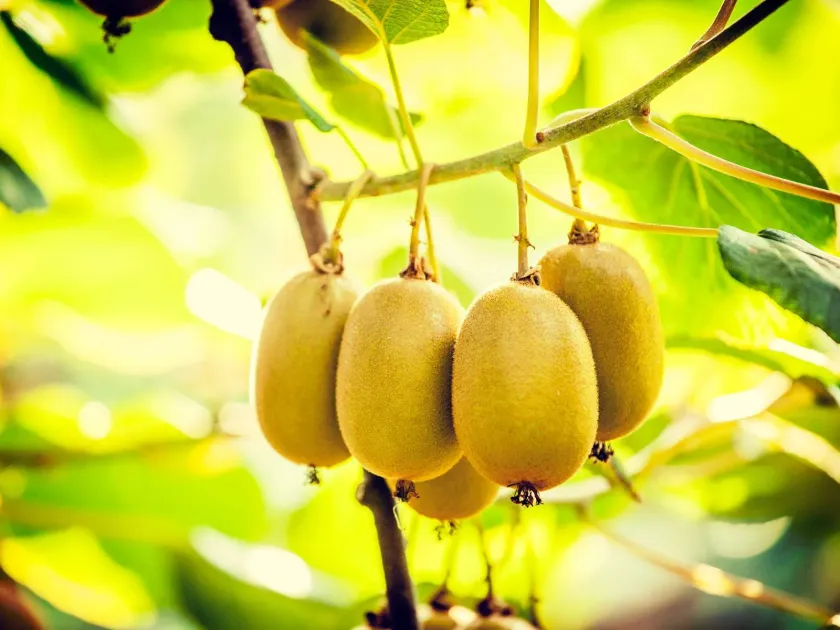
Description
Growing requirements
These hybrids belong to the Actinidiaceae family and represent a significant development in plant breeding, combining the superior nutritional profile of Actinidia chinensis with the robust traits of Actinidia eriantha. Originating from subtropical China, these vines require specific environmental conditions to thrive.
Successful cultivation depends on selecting sites protected from strong winds with deep, fertile, and well-drained soils. These plants are sensitive to waterlogged conditions, making effective drainage or the use of raised beds essential to prevent root asphyxiation and subsequent rot.
Vines require full sunlight for optimal bud differentiation and fruit development, although young plants may benefit from partial shade during their establishment phase. While they prefer a temperature range of +18°C to +28°C, hybrid vigor often provides better resilience to climatic fluctuations compared to their parent species.
A consistent irrigation schedule is vital, as the large foliage area leads to high evapotranspiration rates. Drip irrigation systems are highly recommended to provide precise soil moisture levels, avoiding the excessive wetting of the foliage and root crown which can promote disease.
Structurally, these vines require sturdy trellis systems to support heavy canopy growth and substantial fruit loads. Agrotechnical practices include annual dormant season pruning to balance vegetative growth with fruit production, alongside a structured fertilization program tailored to the plant's growth stages.
Yield
Yield potential is highly dependent on effective pollination and site-specific management. Since most actinidia species are dioecious, commercial orchards must integrate male pollinator vines within the plantation to ensure adequate fruit set and development.
The fruit of these hybrids often exhibits an intermediate phenotype, blending the hairless or lightly pubescent skin of the chinensis parent with potential resilience markers from eriantha. Consistent fruit sizing is achieved through proper winter pruning and occasional thinning of heavy clusters.
Orchards typically reach initial commercial yields by the 3rd or 4th year, with maximum productivity occurring between the 7th and 15th years of growth. Maintaining plant health through proper nutrition ensures that the vines can support these high production volumes without exhausting their reserves.
Post-harvest utilization is versatile, ranging from the fresh market to the processing industry for juices, jams, and functional foods. High antioxidant levels and high vitamin C content make these fruits a premium commodity in the global health food market.
Yield management requires careful monitoring of flowering synchrony between male and female plants. If the bloom window does not align perfectly, additional methods such as artificial pollen application or supplementary bees may be necessary to maximize the fruit set.
Main diseases and pests
The most severe phytosanitary threat is Bacterial Canker (Pseudomonas syringae pv. actinidiae), which can decimate entire plantations. Strict quarantine measures and the use of certified disease-free nursery stock are the primary defense strategies against this pathogen.
Scale insects and mealybugs represent the main pest categories that impact plant vigor by feeding on phloem sap. Integrated pest management, including systemic insecticides applied at the crawler stage, is effective for controlling populations without damaging the plant's delicate balance.
Root rot, primarily caused by improper soil aeration or water management, remains a significant challenge. Proactive monitoring of the soil moisture levels and ensuring the root zone remains well-oxygenated can mitigate the risks of soil-borne fungal infections.
Foliage-feeding beetles and caterpillars can cause significant defoliation if left unchecked. Regular visual inspections during the active growing season allow for early detection and targeted interventions using environmentally responsible biological control agents where possible.
Gray mold (Botrytis cinerea) can impact fruit quality, especially during humid or rainy harvest seasons. Improving canopy airflow through judicious pruning and thinning of leaves reduces humidity around the fruit, significantly decreasing the incidence of fungal rot.
Harvesting
Harvesting timing is determined by the total soluble solids (TSS) content, measured using a refractometer, and flesh firmness. These fruits are climacteric, meaning they continue to ripen post-harvest, which is a significant advantage for logistics and market distribution.
Fruits are harvested by hand to prevent bruising and skin tearing. Workers must be trained to handle the fruit carefully, as even minor surface damage can significantly reduce shelf life and trigger premature decay during cold storage.
For long-term storage, the fruit should be kept in cold rooms with precise temperature and humidity control. It is critical to keep the storage area free from ethylene-producing products, as exposure to ethylene will accelerate ripening and lead to rapid softening.
Sorting by size and maturity level is performed immediately after harvest to ensure uniformity in the final packaging. Using well-ventilated containers helps maintain fruit temperature and prevents moisture accumulation, which could otherwise foster fungal growth.
Effective harvest management involves rapid pre-cooling to remove field heat immediately after collection. This process is essential for preserving the crisp texture and nutritional profile of the fruits, ensuring that they reach the consumer in optimal condition.