
Houlletia brockenhurstiana
Houlletia brockenhurstiana
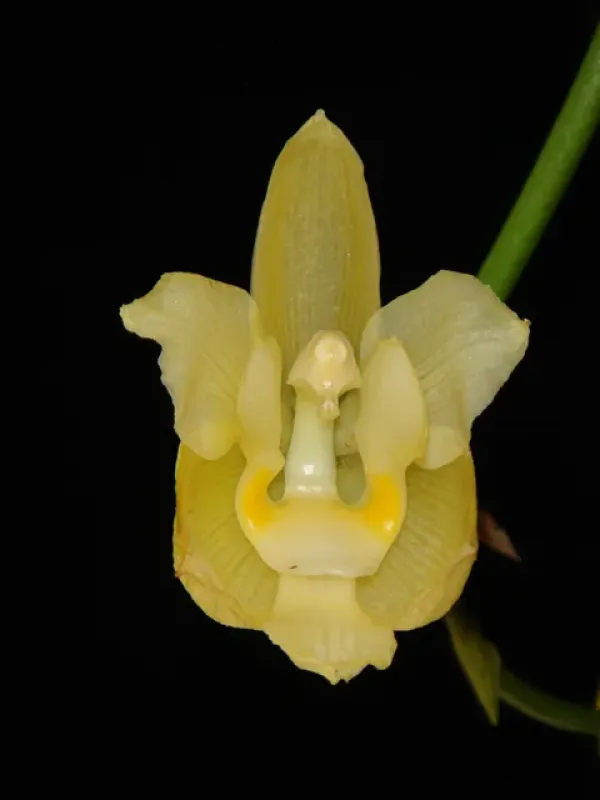
Description
Growing requirements
Houlletia brockenhurstiana is a rare species within the Orchidaceae family, native to the high-humidity tropical regions of South America. As an epiphyte, it requires specific environmental conditions that mimic its natural forest canopy habitat.
The culture thrives in bright, filtered light. Direct sun exposure must be strictly avoided, as it leads to severe leaf scorching and dehydration of the pseudobulbs, which are vital for the plant's long-term energy storage.
Maintaining a stable temperature range is essential for the healthy development of this orchid. While it prefers moderate warmth, a slight nighttime drop in temperature helps simulate its natural cycle and supports vigorous blooming patterns.
A well-draining substrate is non-negotiable for Houlletia. Growers typically use a coarse mixture of orchid bark, charcoal, and perlite, which ensures oxygen reaches the root system while retaining the necessary moisture levels.
High relative humidity is perhaps the most critical factor for success. Levels between 75% and 85% are ideal, often requiring the use of automated misting systems or dedicated glasshouse environments to prevent foliage desiccation.
Main diseases and pests
Common pests include spider mites and mealybugs, which thrive in low-ventilation environments. Regular monitoring of the foliage and pseudobulbs is necessary to prevent these infestations from spreading across the collection.
Pathogenic fungi are a significant threat when air circulation is poor or the substrate remains saturated for extended periods. Implementing a strict watering schedule and ensuring good airflow effectively mitigates the risk of crown and root rot.