
Alpine coltsfoot
Homogyne alpina
Description
Growing requirements
Alpine coltsfoot (Homogyne alpina) is a perennial herbaceous plant belonging to the Asteraceae family. It is natively found in the mountain ranges of Europe, thriving in alpine meadows and rocky terrain where the climate is cool and the soil is well-drained.
Cultivation of this plant requires attention to its natural habitat preferences. It performs best in soils that are slightly acidic and rich in organic matter. Good drainage is paramount to prevent root rot, which is the primary cause of failure in domestic gardens.
The plant demands a cool climate and high humidity levels. In regions with hot summers, providing semi-shade is essential to protect the plant from direct sunlight and heat stress. It is a slow-growing species that benefits from consistent care.
Water management is critical during the growing season. While the soil should remain moist, it must never become waterlogged. A mixture of gravel and peat-based compost is often recommended for pot cultivation to ensure the necessary aeration.
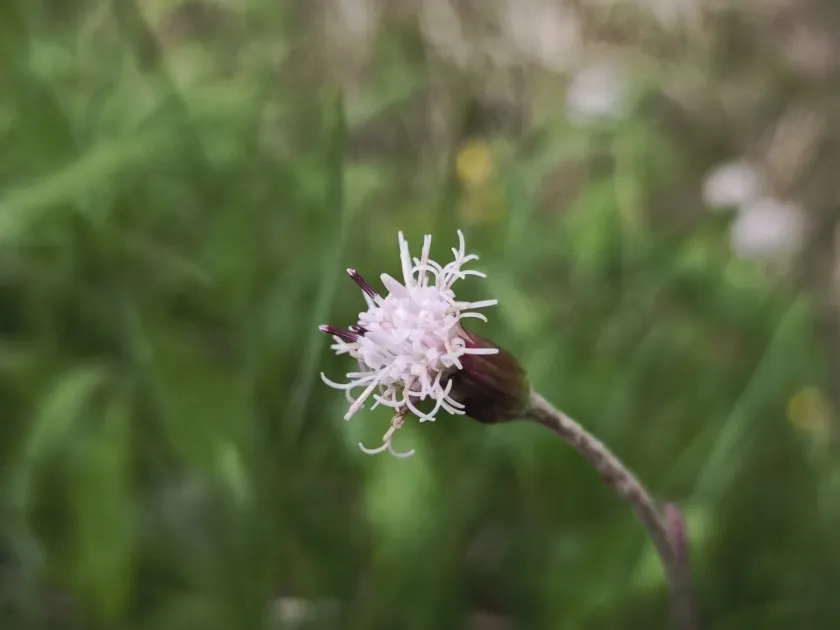
In landscaping, Alpine coltsfoot is highly valued for its ability to form neat, low mats of foliage. Its purple-pink flower heads appear in spring or early summer, adding seasonal interest to rockeries, gravel paths, and mountain-themed gardens.
Main diseases and pests
The main threats to Homogyne alpina are fungal diseases related to excess moisture, such as root rot and stem rot. These pathogens thrive in poorly ventilated areas where water stagnates at the base of the plant.
Pests including aphids and spider mites can infest the foliage, particularly if the plant is grown in unfavorable conditions with low air humidity or improper sunlight exposure.
Slugs and snails can cause significant damage to the plant's soft, emerging leaves. Gardeners should implement barrier methods or regular inspections to keep these pests under control during the spring growing season.
Environmental stress, such as drought or excessive heat, significantly weakens the plant, making it more susceptible to opportunistic infections. Maintaining a stable environment is the best form of defense.
Proper spacing between individual plants is necessary to ensure adequate air circulation, which helps reduce the risk of powdery mildew outbreaks throughout the humid summer months.