
Yorkshire fog
Holcus lanatus L.
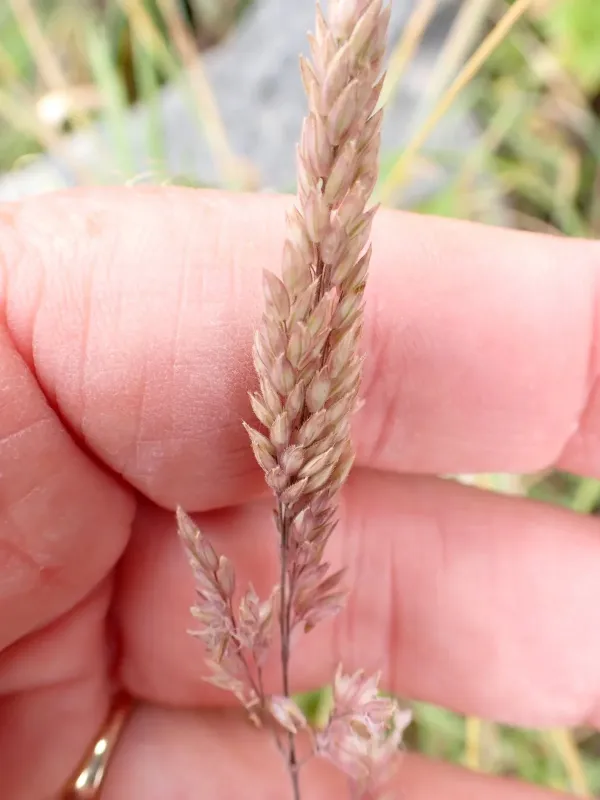
Description
Sowing dates
Yorkshire fog (Holcus lanatus) is a perennial, loosely tufted grass that is well-adapted to a wide range of agricultural conditions. Sowing is typically performed in early spring or late summer, ensuring the seeds are placed in a firm, weed-free seedbed to establish quickly.
The seeds are small and should be sown at a shallow depth of approximately 0.5 to 1.5 cm. Proper soil contact is essential for germination, which is why light rolling after sowing is highly recommended to improve the capillary water movement to the seeds.
A typical seeding rate for a pure stand ranges from 10 to 12 kg per hectare. In pasture mixes, this rate is adjusted downward to balance the presence of other species, such as ryegrass or clover, which are often sown alongside this grass.
The grass exhibits vigorous early growth, establishing a dense root system that secures the plant in the soil. Proper moisture levels during the germination phase are critical for the successful establishment of the seedlings.
It is important to avoid deep burial of the seeds, as this can significantly reduce emergence rates and lead to uneven pasture establishment, necessitating overseeding at a later date to fill the gaps in the field.
Growing requirements
Yorkshire fog is highly adaptable to various soil types but thrives best on moist, fertile, and slightly acidic soils. It is particularly noted for its ability to tolerate waterlogged conditions where other forage grasses might struggle.
The species is quite hardy and exhibits excellent winter hardiness, allowing it to survive in regions with cold winters. Its ability to tolerate low-pH soils makes it a suitable candidate for reclaimed land or pastures that require minimal lime input.
While it prefers full sunlight for maximum biomass production, it also displays a degree of shade tolerance, allowing it to perform well in orchards or woodland-associated grazing systems where light availability is intermittent.
Fertilizer application, particularly nitrogen, significantly boosts its yield. It responds well to balanced nutrient management, which helps maintain a high density of tillers throughout the growing season.
In terms of climate, it performs optimally in temperate regions with reliable rainfall throughout the year, as it does not possess high drought tolerance compared to deep-rooted perennial grasses like fescues.
Yield
The biomass yield of Yorkshire fog can reach 15 to 25 tonnes of green matter per hectare annually, depending on soil quality and the frequency of harvesting. It provides high-quality forage when managed with frequent rotational grazing.
Nutritionally, the grass is most valuable during the vegetative growth stage. When harvested early, it provides high levels of protein and energy, making it an excellent component for sheep and cattle diets.
Seed production yields range from 300 to 500 kg per hectare. Growers must be cautious during the seed harvest, as the plant tends to shed its seeds quite easily once it reaches full maturity in the field.
The grass is capable of regrowing rapidly after being mowed or grazed, often supporting 3 to 4 cuttings per season under optimal management conditions, which provides a steady supply of fodder for livestock operations.
The grass provides early spring grazing, which is a significant agronomic advantage for livestock farmers who need high-quality feed to bridge the gap before the main grazing season commences.
Main diseases and pests
Yorkshire fog is generally resistant to many common grass diseases, but in very humid conditions, it can be susceptible to rust and powdery mildew, which may affect leaf quality and reduce overall palatability.
Common pests include cereal aphids and various grass-feeding larvae. However, the plant's rapid growth rate usually allows it to recover from minor pest damage without the need for intensive chemical intervention.
Overgrazing can be a major threat, as it weakens the plant's ability to compete with more invasive weeds and reduces the overall density of the pasture stand over time, leading to lower yields.
Weed management is mainly an issue in the establishment year. Once the stand is closed, the density of the Yorkshire fog is usually sufficient to suppress most competitive weeds in the pasture.
Maintaining a balanced rotational grazing schedule is the best defense against long-term threats to the stand, ensuring that the root system remains vigorous and the plant biomass remains in a productive state.
Harvesting
Harvesting for hay should be timed at the onset of the heading phase. Delayed harvesting results in a loss of quality due to the plant's soft hairs on leaves and stems, which can make drying more difficult.
For silage, the grass should be harvested when moisture content is appropriate and the plants are high in protein. The use of tedders during the drying process is advised to ensure even moisture loss throughout the swaths.
Seed harvest requires careful timing to balance maturity with the risk of shattering. Once the seed heads are sufficiently dry and mature, combine harvesting is used to capture the maximum yield of viable seeds.
Storage of the harvested fodder requires dry, well-ventilated conditions. Hay should be kept under cover to prevent spoilage and nutrient loss caused by rain exposure and microbial activity during winter storage.
The resulting crop residue and root turnover contribute positively to soil structure, making the plant a beneficial part of a ley rotation system before breaking the field for arable crop production.