
Creeping soft grass
Holcus mollis L.
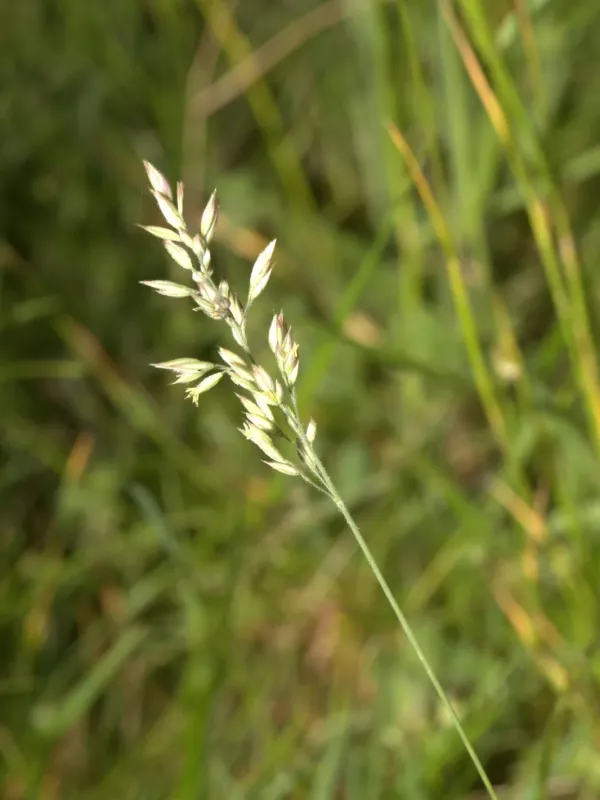
Description
Sowing dates
Holcus mollis, commonly known as creeping soft grass, is a rhizomatous perennial grass belonging to the Poaceae family. Sowing is typically performed in the early spring or late summer to ensure optimal establishment before extreme temperatures.
Seeds should be sown at a shallow depth of 1-2 centimeters. Because the seeds are relatively small, maintaining adequate soil-to-seed contact and preventing the topsoil from drying out during the germination phase is critical.
In addition to sexual reproduction, this grass propagates vigorously through underground rhizomes. This aggressive spreading characteristic is an advantage for stabilizing soil or establishing permanent pastures in specific environments.
When creating diverse pasture mixes, seeding rates must be carefully calculated to ensure that Holcus mollis does not become too invasive and crowd out less aggressive companion species like certain clovers.
Proper seedbed preparation, including the removal of competing weeds, is essential for success. A firm, weed-free seedbed encourages uniform germination and strengthens the developing root systems before the onset of winter.
Growing requirements
Creeping soft grass is highly adaptable to various soil types but thrives in moist, slightly acidic conditions. It is particularly valued for its ability to persist in soils where other more sensitive grass species fail.
This species shows remarkable tolerance to shade, making it an excellent candidate for woodland pastures or orchard understory grazing systems. It prefers a consistent moisture supply to maintain peak productivity.
Regarding climate, the plant exhibits strong winter hardiness, allowing it to survive harsh conditions due to its protected rhizomes. However, it is not drought-tolerant and will enter dormancy or die back during prolonged dry spells.
Agricultural management should include periodic mowing or controlled grazing to prevent the stand from becoming overly dense and woody. Regular maintenance keeps the forage palatable and nutritious for livestock.
Nitrogen fertilization significantly boosts biomass production. However, it should be managed carefully to ensure the grass remains balanced within the ecosystem, preventing the loss of botanical diversity in the pasture.
Main diseases and pests
Rust fungi represent the primary pathological threat to Holcus mollis, especially in humid and stagnant air conditions. Infections can result in significant leaf loss and a reduction in the total digestible nutrient content.
Common agricultural pests such as cereal flies and aphids can cause damage during the vegetative stage. These pests weaken the plant, making it more susceptible to secondary environmental stresses and fungal attacks.
Integrated pest management strategies are recommended, focusing on maintaining a healthy, vigorous stand. Proper drainage and balanced nutrient supply often mitigate the impact of disease outbreaks.
While not often heavily infested, wireworms can occasionally damage the rhizome system. Deep cultivation before seeding new stands is the best preventive measure to reduce soil-dwelling pest populations.
Routine monitoring is key. If chemical intervention becomes necessary, it must be performed with caution to ensure that harvest safety intervals are respected, particularly in pastures destined for cattle grazing.