
Hoffmannia peckii
Hoffmannia peckii
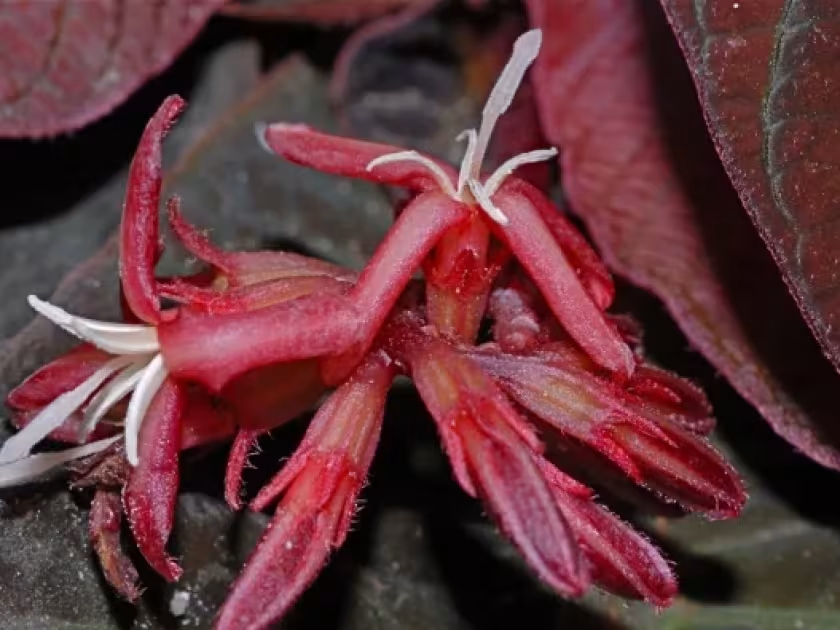
Description
Sowing dates
Propagation of Hoffmannia peckii in cultivation is most effectively achieved through vegetative methods, specifically stem cuttings. The optimal time for taking cuttings is during the spring when the plant begins its active growth phase after the winter dormancy period.
Cuttings should be planted in a light, moisture-retaining substrate, ensuring greenhouse conditions with high ambient humidity. Root development typically occurs faster when the soil temperature is maintained between 22 and 24 degrees Celsius.
Seed propagation is less common and requires fresh seeds, as they quickly lose their viability. Sowing is performed on the surface of the soil, ensuring the seedbed does not dry out.
To ensure a successful start, seedlings require bright, indirect light and a stable temperature environment. Sudden fluctuations in temperature during the germination stage can lead to the loss of young plants.
Pricking out grown specimens is conducted after the formation of two to three sets of true leaves, transferring them into individual pots with a nutrient-rich soil mix.
Growing requirements
Hoffmannia peckii is a tropical perennial plant belonging to the Rubiaceae family, native to the humid forests of Central America. It prefers locations protected from direct sunlight, which can cause leaf burn on its delicate foliage.
For optimal development, the culture requires loose, organic-rich soil with a near-neutral pH level. The soil must remain consistently moist, but water stagnation in the root zone must be avoided at all costs.
The ideal temperature range for the plant is between 18 and 25 degrees Celsius. During the cold season, temperatures should not fall below 15 degrees Celsius, as this may lead to leaf drop.
A crucial requirement is high air humidity, which in indoor or greenhouse environments is maintained through regular misting or the use of humidifiers.
Standard care involves regular fertilization during the growing season using balanced mineral fertilizers, although it is recommended to dilute the solutions to half the standard strength.
Main diseases and pests
The primary pests affecting this culture in enclosed environments include spider mites and mealybugs. Their presence is often linked to poor humidity management and the soil ball drying out excessively.
Poor ventilation and over-watering can lead to the development of root rots. The disease is characterized by the darkening of the stem base and wilting of the leaves, even when the substrate remains moist.
Prevention of fungal infections relies on ensuring a constant flow of fresh air and strict irrigation control. The use of fungicides is appropriate only when clear symptoms of pathogen infestation appear.
Infestation by pests requires immediate isolation of the plant and treatment with systemic insecticides. It is important to inspect the underside of the leaf blades, where insects tend to congregate.
Selecting a soil substrate with excellent drainage properties serves as the most effective preventative measure against most root system diseases.