
Himalayan bistort
Bistorta affinis (D. Don) Greene
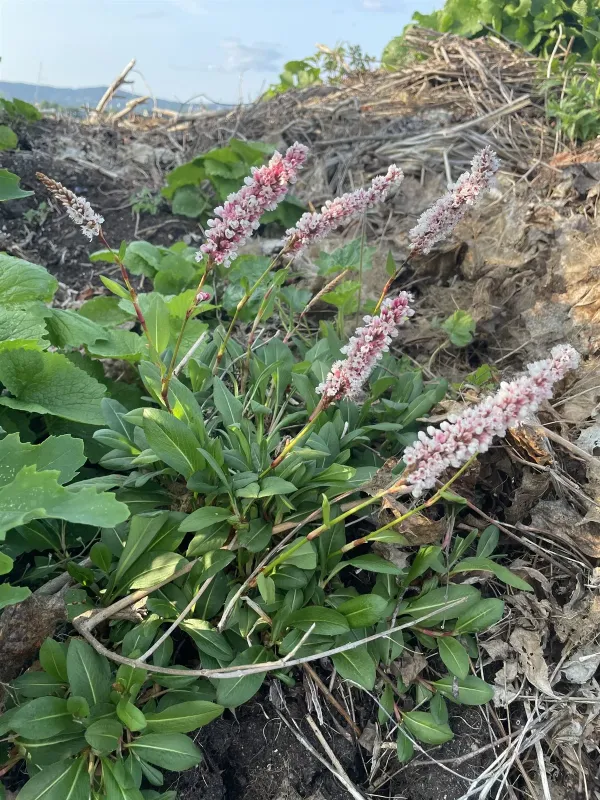
Description
Sowing dates
Himalayan bistort is primarily propagated vegetatively through division of mature clumps or by taking cuttings in early spring or late summer. Planting is best timed for the start of the growing season to ensure robust establishment before the winter dormant period.
Seed propagation requires a period of cold stratification; sowing is ideally performed in late autumn in outdoor seedbeds. Indoor sowing is possible but necessitates a pre-chilling period for the seeds to break dormancy successfully.
For ground cover purposes, a density of 9 to 12 plants per square meter is recommended to achieve quick surface coverage. Spacing between individual plants should be maintained at 25–30 centimeters.
The root system establishes quickly in moist, nutrient-rich substrates, allowing the plant to form a dense mat that effectively suppresses competing weed species in the landscape.
Care should be taken to manage the plant's spread, as it utilizes vigorous rhizomes to colonize surrounding areas, which is beneficial for erosion control but requires monitoring in formal garden settings.
Growing requirements
This perennial member of the Polygonaceae family thrives in full sun or partial shade. While it adapts to a wide range of light levels, consistent flower production is observed when grown in brighter conditions.
The ideal soil profile is fertile, moist, and well-drained. Himalayan bistort originates from high-altitude regions, making it naturally hardy and capable of surviving cold winter temperatures without special protection.
In terms of moisture, the plant appreciates regular watering, particularly during peak summer months, though it should not be subjected to waterlogged soil conditions for extended periods.
Applying a balanced fertilizer in the spring helps invigorate growth and enhances the characteristic pink to deep red spike-shaped inflorescences during the peak flowering season.
Maintenance is relatively low, requiring only periodic removal of dead foliage and occasional thinning of the clumps every few years to maintain plant vigor and floral density.
Main diseases and pests
Himalayan bistort is widely recognized for its robust health and general resistance to common garden pests and diseases. It is considered an excellent choice for low-maintenance landscaping.
Pest problems are minimal, though minor infestations of aphids may occur on tender young growth in stressful environmental conditions. These can typically be managed with simple horticultural soaps.
Fungal issues are largely avoided by providing adequate air circulation around the clumps and ensuring the site has proper drainage to prevent crown rot during the wet seasons.
Proper sanitation, such as clearing debris from around the plants in late autumn, helps prevent potential overwintering sites for insects and minor pathogens.
No systemic pesticide intervention is usually necessary, as the plant's strong natural growth habit allows it to outcompete most minor threats in a stable garden environment.