
Red bistort
Bistorta amplexicaulis (D. Don) Greene
Description
Growing requirements
Red bistort is a robust perennial herb belonging to the Polygonaceae family. Originating from the mountainous regions of the Himalayas, this species has evolved to thrive in diverse environmental conditions, making it a reliable choice for gardens in temperate climates.
The plant performs best in moisture-retentive, fertile soils with an organic component. While it prefers neutral pH levels, it shows remarkable adaptability across a range of soil types, provided that adequate drainage is maintained to prevent root rot.
Regarding light requirements, red bistort excels in full sun or partial shade locations. In cooler climates, providing full sun will maximize the vibrancy of its characteristic spike-like flowers, which emerge in shades of red, pink, or white throughout the growing season.
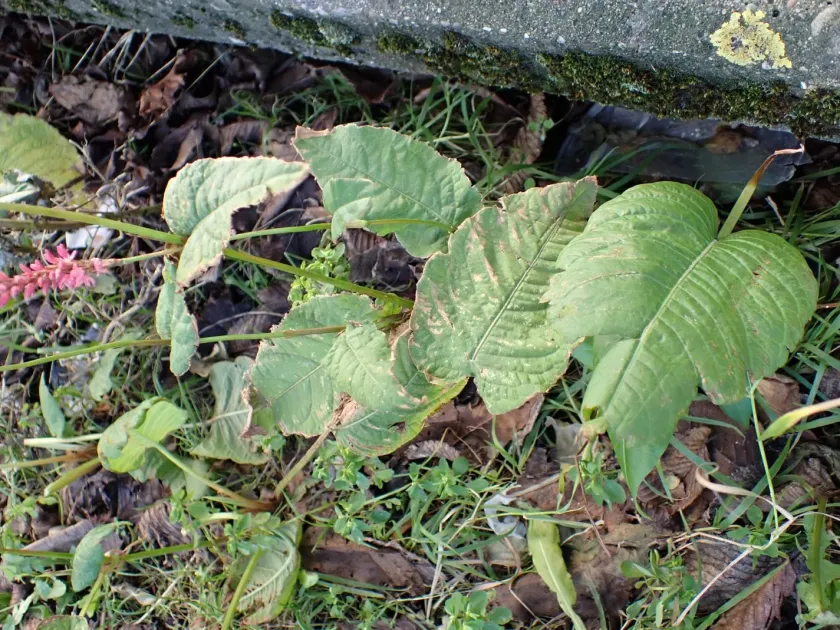
Botanically, the species is recognized by its heart-shaped leaves and tall, elegant flower stems. The stems are sturdy and rarely require staking, which contributes to the plant's reputation as a low-maintenance landscape feature for borders or meadow-style plantings.
Effective management requires consistent irrigation, particularly during prolonged dry spells. Mulching around the base of the plant can help retain soil moisture and regulate ground temperature, supporting vigorous growth from spring until the first frost.
Main diseases and pests
Red bistort is generally considered a low-pest and disease-resistant crop. Its thick root system and vigorous nature help it overcome minor environmental stressors that might affect more delicate species in the same planting zone.
In overly damp or poorly ventilated conditions, fungal issues like leaf spot or powdery mildew may arise. Ensuring proper spacing between plants is the most effective cultural method to promote airflow and mitigate these fungal risks naturally.
Garden pests such as slugs and snails are sometimes drawn to the young foliage in early spring. Applying protective barriers or organic deterrents can prevent significant aesthetic damage to the leaves before the plant matures into its full size.
Aphid infestations on the flower spikes are possible but rarely cause terminal damage. If required, simple applications of insecticidal soap or neem oil are usually sufficient to control localized populations without harming beneficial garden insects.
Stunted growth or chlorosis may occasionally indicate nutritional deficiencies or heavy soil compaction. Regular incorporation of compost into the topsoil provides necessary nutrients and improves the physical structure of the growing medium over time.