
Yama-zakura
Prunus jamasakura Siebold ex Koidz.
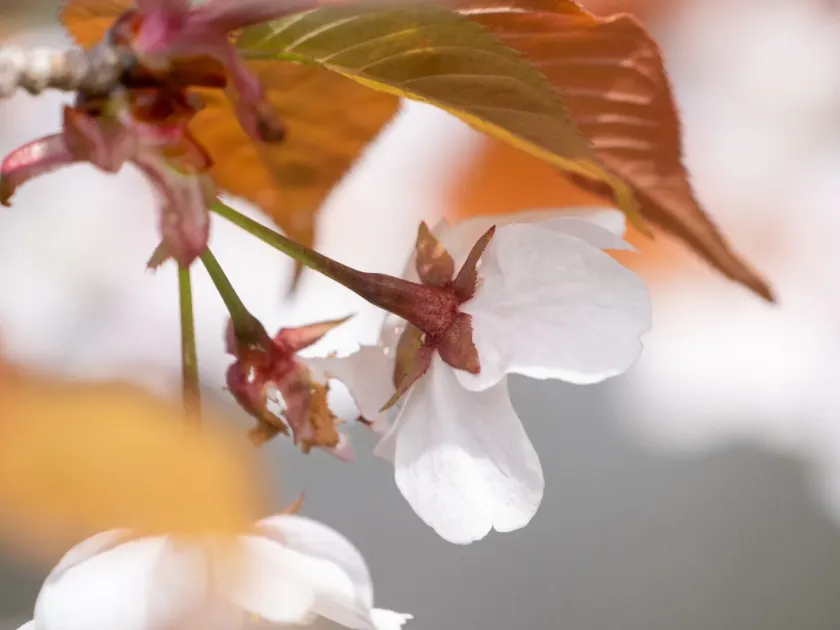
Description
Growing requirements
Yama-zakura (Prunus jamasakura), belonging to the Rosaceae family, is a species of cherry tree native to Japan, Korea, and China. Known as the Japanese mountain cherry, it is characterized by its large size and long-lived nature compared to many other popular cultivars.
The tree thrives in temperate climates and prefers well-drained, fertile soil with a neutral pH. It is highly valued for its naturalistic appearance and is often found in wild landscapes as well as cultivated parks and gardens.
Proper site selection is crucial for the health of Yama-zakura. It requires full sun exposure to maintain its vigorous growth and abundant flowering in early spring. Protection from harsh, drying winds is recommended to preserve the blossoms.
Agronomic management involves periodic irrigation during dry spells and the application of balanced fertilizers to support nutrient-depleted soil. Pruning should be kept to a minimum, focusing mainly on removing dead or crossing branches to maintain tree health.
Beyond its ornamental appeal, the species holds cultural significance. Its wood is traditionally used in high-quality woodworking and carpentry, and it serves as a keystone species in the biodiversity of East Asian deciduous forests.
Main diseases and pests
Like many trees in the Prunus genus, Yama-zakura is susceptible to bacterial canker and various fungal diseases. These pathogens often manifest as lesions on the bark or spots on the leaves, potentially damaging the overall structure.
Pest pressure from aphids and caterpillars can hinder foliage development. Integrated pest management strategies, such as encouraging beneficial insects and using localized treatments, are the most effective way to control infestations.
Root rot is a major threat caused by poor soil drainage. Ensuring that the planting area is properly graded and not prone to waterlogging is the first line of defense for the tree's root system.
Winter care is important, particularly for younger specimens, to prevent sunscald on exposed trunks. Utilizing protective wraps or reflective white paint can mitigate temperature-related damage to the bark.
Regular monitoring of the tree's vigor helps in identifying signs of stress early. A consistent care regimen will ensure the longevity and decorative success of this beautiful mountain cherry tree.