
Hildegardia erythrosiphon
Hildegardia erythrosiphon
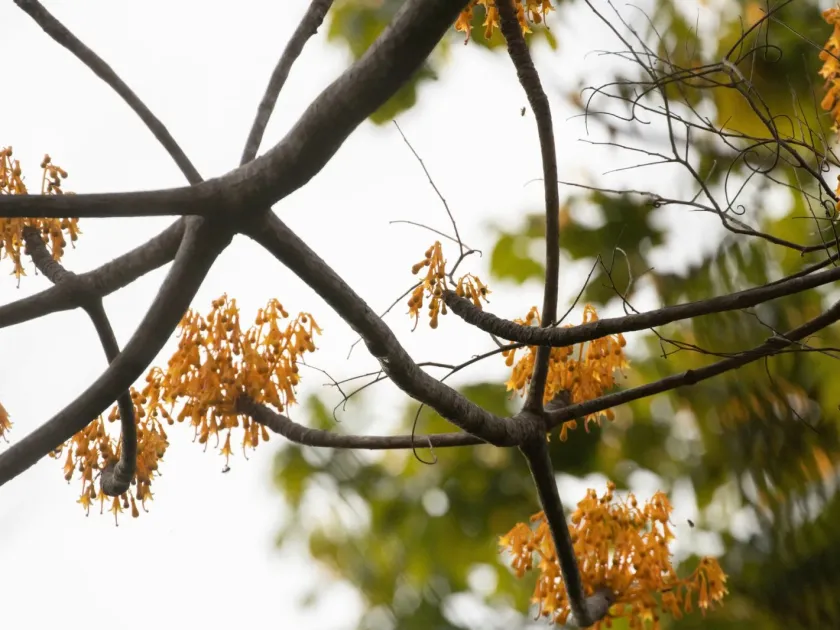
Description
Growing requirements
Hildegardia erythrosiphon is a notable botanical specimen belonging to the Malvaceae family. This tree species is scientifically recognized for its unique adaptation to arid tropical regions, characterized by its resilient trunk and seasonal deciduous behavior.
The plant thrives in well-draining, nutrient-poor, stony substrates. It cannot tolerate waterlogging, as its root system is highly specialized for moisture retention and air gas exchange in dry environments, making proper soil drainage a non-negotiable requirement.
Regarding climatic factors, it demands high temperatures and direct sunlight exposure. It is strictly a warm-climate plant that requires protection from any frost or significant cold snaps, which are detrimental to its biological structure and overall development.
Agrotechnical management of Hildegardia erythrosiphon emphasizes the importance of a pronounced dry season. During this dormant phase, water application must be strictly regulated to mimic the natural precipitation patterns of its native habitat, ensuring the plant rests properly.
Although it is primarily studied in botanical contexts, its cultivation requires deep knowledge of succulents and xerophytes. Growers must pay close attention to avoid nutrient excess, which can disrupt the plant's natural growth cycle and negatively impact its long-term health.