
Hildegardia barteri
Hildegardia barteri
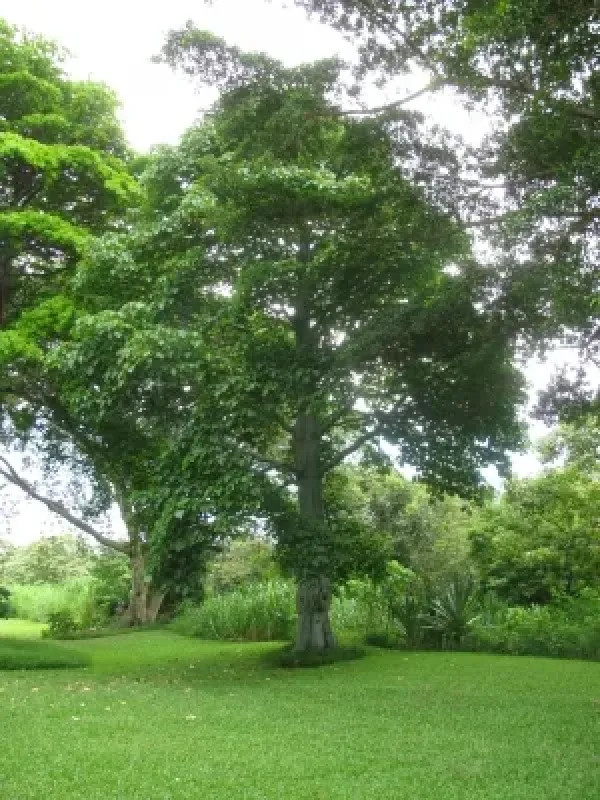
Description
Growing requirements
Hildegardia barteri is a member of the Malvaceae family, specifically the Sterculioideae subfamily. It is a deciduous tropical tree that can grow to impressive heights in its natural habitat.
The species thrives in lowland tropical rainforest conditions, characterized by high humidity levels and consistently warm temperatures throughout the entire year.
While the tree is adaptable to various soil types, it shows optimal growth in deep, fertile, and well-drained loamy soils rich in organic matter.
Young trees require protection from strong prevailing winds, as their branches can be relatively brittle, and the root system requires ample space to anchor the tree properly.
In modern agriculture, Hildegardia barteri is not typically grown as a standard crop but is more frequently utilized in forestry programs and specialized ornamental planting.
Yield
The primary economic use of this species is the production of high-quality timber, which is highly valued for its lightweight yet durable properties.
The wood is traditionally used for furniture making, interior finishing, and occasionally for the construction of specialized wooden crates or containers.
The fruits and seeds of the plant may be harvested for local use, though they do not currently hold significant importance in global industrial food processing.
Timber yield potential is largely dependent on the density of the plantations and the adherence to strict forest management and maintenance protocols.
The cultivation of this tree requires a long-term growth strategy, which generally precludes its use in short-term agricultural crop rotations.
Main diseases and pests
Common health threats to this species include root rot caused by fungal pathogens, which typically occurs in soils with poor drainage or chronic waterlogging.
Young seedlings are particularly vulnerable to leaf-eating insects, which can significantly stunt the growth rates of the plants during their early development stages.
Wood-boring insects represent a major risk to mature trees, as they compromise the structural integrity of the trunk and degrade the quality of the harvestable timber.
For sustainable plantation management, regular phytosanitary inspections are highly recommended to ensure the early detection and control of potential infestations.
Environmental stressors, particularly prolonged periods of extreme drought, can weaken the tree's natural defenses, making it more susceptible to various diseases.