
Higan cherry
Prunus subhirtella Miq.
Description
Growing requirements
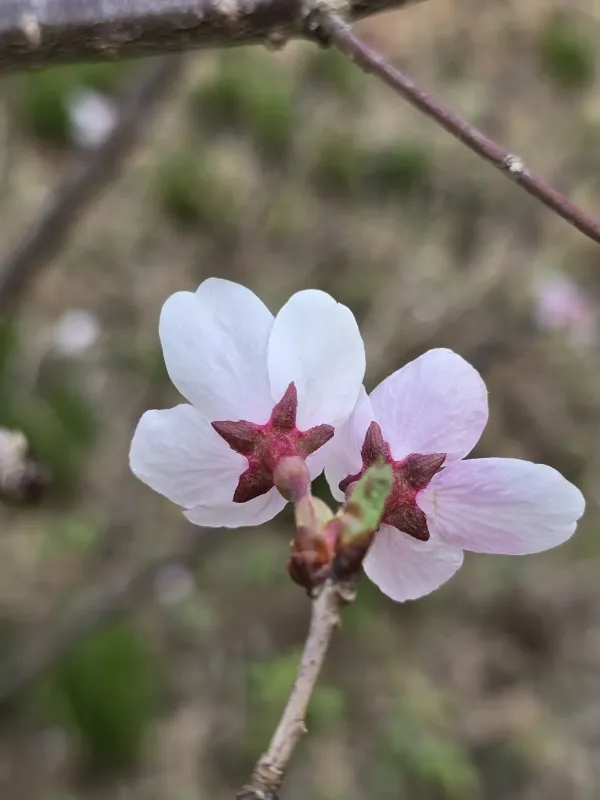
The Higan cherry (Prunus subhirtella) is a deciduous tree belonging to the Rosaceae family. Native to Japan, it is highly regarded for its early spring flowering display, often producing clouds of pale pink or white blossoms.
It thrives in locations with full sun exposure, which is essential for prolific blooming and strong branch development. The species prefers well-drained, loam-based soils with a slightly acidic to neutral pH level.
Regarding irrigation, the Higan cherry requires consistent moisture, especially during its establishment period. However, it is sensitive to waterlogged conditions; hence, planting on slightly elevated sites or ensuring good drainage is crucial.
The plant demonstrates good adaptability to various temperate climates, though it benefits from protection against harsh, drying winter winds. Providing mulch around the base helps regulate soil temperature and retain moisture.
Pruning should be performed after the flowering phase to maintain the desired shape and remove any dead or crossing branches. Minimal fertilization with a balanced, slow-release formula is usually sufficient for healthy growth.
Main diseases and pests
Fungal diseases are the primary threats to the health of the Higan cherry. Common issues include brown rot (Monilinia) and cherry leaf spot, which can lead to premature defoliation if left unchecked during humid seasons.
Pest challenges involve aphids, mites, and scale insects that can infest the foliage and tender twigs. These pests extract sap, often causing distorted leaf growth and general tree stress.
Management strategies require careful observation throughout the growing season. Early identification of pest colonies allows for the application of targeted soaps or horticultural oils to manage populations without chemical overload.
Maintaining high hygiene in the garden is essential to prevent pathogen buildup. Collecting and disposing of fallen leaves at the end of the season drastically reduces the reservoir for fungal spores.
Professional care often involves dormant spray applications and regular inspections to monitor the tree for signs of borer activity or canker symptoms on the bark, ensuring long-term vitality.